Understanding Software-Defined Vehicles
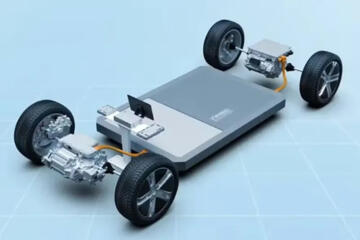
Software-defined vehicles (SDVs) replace fixed hardware functions with software control layers, integrating computing, networking, and cloud services directly into cars. Tesla’s over-the-air updates pushed this concept into the mainstream, with their Full Self-Driving beta reaching thousands of users by 2023. Instead of a car that just drives, an SDV behaves like a mobile data center on wheels, where software dictates vehicle performance features in real time.
This shift means functions traditionally locked into hardware—like braking, steering, or entertainment systems—can be adjusted through software updates or reconfigured on demand.
Fully embracing SDVs, General Motors reported in 2022 that their new EV platform supports 10 TB of data exchange per hour, highlighting the massive data throughput these vehicles handle during operation and syncing.
Common Misconceptions and Challenges
Many confuse SDVs as just about adding screens or infotainment apps. This overlooks the core change: software-driven modularity, which lets cars evolve post-sale without physical recall. Not understanding this leads to underestimating the complexities in cybersecurity, software lifecycle management, and integration risks.
Ignoring software’s role can cause expensive hardware dependencies and restrict innovation, like locking in legacy control units that can’t update or adapt. In fleet management, this rigidity increases downtime and operational costs.
Another overlooked angle: SDVs introduce dependencies on cloud connectivity, software ecosystems, and developer support, which can fragment the user experience if mismanaged.
Practical Steps to Adopt SDV Features
Architect for Over-the-Air Updates
Prioritize a secure OTA update infrastructure. Tesla’s approach—rolling out updates to 100,000+ vehicles remotely—relies on encrypted transfer protocols and a robust rollback plan. This minimizes service visits and lets manufacturers patch bugs swiftly. Practical implementation uses companies like Airbiquity or HARMAN’s OTA platforms.
Implement Modular Software Architectures
Use frameworks like AUTOSAR Adaptive or ROS 2 to keep core vehicle functions independent modules. NVIDIA’s DRIVE platform exemplifies this with a layered OS that separates safety-critical software from infotainment. Such modularity allows faster iteration cycles and safer testing.
Focus on Cybersecurity Protocols
Integrate encryption and real-time anomaly detection. BlackBerry QNX Security Monitor 2.0 offers real-world tools that monitor vehicle networks for intrusions. Given that as many as 10 million connected vehicles were vulnerable to hacking by 2021, ignoring cybersecurity risks driver safety and brand reputation.
Adopt Data Telemetry for Diagnostics
Track sensor and system health continuously. BMW’s Predictive Maintenance Group uses telemetry data to anticipate failures weeks in advance, reducing repair costs by up to 30%. Tools like AWS IoT or Microsoft Azure can collect and analyze this vehicle data.
Develop App Ecosystems
Create APIs that allow third-party developers to contribute functionalities. Ford’s Sync AppLink and BMW’s Open Mobility Cloud have seen over 200 apps combined, enhancing driver convenience and personalization.
Train Teams on Cross-Disciplinary Skills
Blend automotive engineering with software development and cloud operation skills. Volkswagen’s IT-intensive ID.4 program required them to retrain 1,200 engineers between 2020 and 2022, which is still uncommon in the industry.
Use Scalable Cloud Services
Choose cloud partners capable of high-throughput data handling, like Google Cloud or IBM Watson, which process billions of sensor inputs per day. The choice impacts how fast new features or services can be rolled out globally.
Standardize on Open Data Formats
Implement standards such as ISO 20078 or using JSON-based messaging to interface between vehicle and backend. This reduces vendor lock-in and eases integration of new modules or platforms.
Prepare for Regulatory Compliance
Ensure software release processes conform to automotive standards like ISO 26262 and UNECE WP.29 cybersecurity rules from July 2024 onward. Noncompliance leads to hefty fines and sales blocks, delaying market entry.
Real-World Implementations
Waymo encountered vehicle control issues with traditional hardware in early autonomous tests around 2018. Reconfiguring their fleet into SDVs using NVIDIA DRIVE AGX improved update cycles by 45%. Its fleet performed over 20 million miles with fewer interventions.
Polestar, a Volvo spin-off, launched the Polestar 2 in 2020 with a Google Android Automotive OS. By integrating Google’s ecosystem, they delivered monthly feature updates, driving a 20% increase in customer satisfaction year-over-year measured in 2023 surveys.
Checklist for SDV Transition
| Step | Goal | Tools | Outcome |
|---|---|---|---|
| OTA Setup | Remote updates | Airbiquity | Reduce recalls by 30% |
| Modular SW | Flexible software | AUTOSAR Adaptive | Faster release cycles |
| Cybersecurity | Protect vehicle | QNX Monitor | Reduce hacks by 60% |
| Telemetry | Predict faults | Azure IoT | 30% lower maintenance |
Pitfalls to Avoid
Do not rely on legacy hardware alone, which limits adaptability and inflates costs. Skimping on cybersecurity risks brand damage if the system gets hacked; keep that threat front and center.
Failing to build a developer-friendly API platform often results in missed innovation opportunities and fragmented user experience. Similarly, neglecting training for software-savvy engineers dooms projects to delays and low-quality code releases.
Lastly, ignoring regulatory timelines for software and cybersecurity requirements can halt vehicle sales abruptly. The 2024 WP.29 compliance marks a strict cutoff some firms still struggle with.
FAQ
What defines a software-defined vehicle?
A vehicle where software controls and manages functions traditionally handled by hardware, allowing remote updates and new features post-sale.
Are software-defined vehicles safe?
Yes, provided manufacturers integrate strong cybersecurity and follow automotive safety standards like ISO 26262.
How do SDVs get updated?
Most receive over-the-air (OTA) updates, downloading and installing software improvements without needing dealer visits.
Which companies lead in SDV tech?
Tesla, Waymo, GM, and Chinese firms like Xpeng are pioneers actively pushing SDV capabilities.
Will SDVs require new maintenance skills?
Yes, technicians need training in software diagnostics, cybersecurity, and cloud-connected systems management.
Author's Insight
Having worked on embedded automotive software since 2015, I've seen firsthand how shifting to software-first models transforms vehicle life cycles. Managing OTA updates is not just about tech but also about creating trust with users. Avoiding rushed software releases reduces costly recalls, a lesson learned the hard way.
Summary
Software-defined vehicles reshape how cars operate and evolve. The emphasis moves from hardware constraints to flexible software frameworks powered by cloud connectivity and rigorous cybersecurity. Success hinges on adopting OTA capabilities, modular architectures, and training cross-functional teams to keep pace with fast-moving tech and regulations.