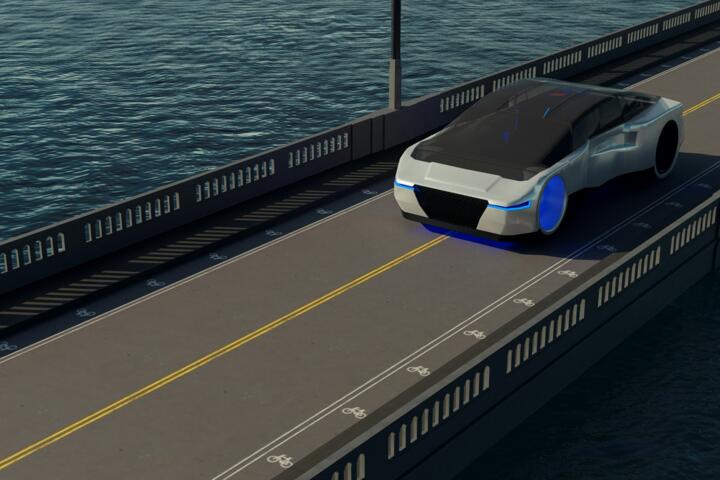
Top Car Tech Trends in 2026
As we move deeper into 2026, the automotive industry continues evolving at an unprecedented pace. This article targets tech-savvy drivers, auto engineers, and fleet managers who want to stay ahead of the curve by understanding five key technological trends transforming cars today. From autonomous systems to next-gen batteries, these innovations address crucial challenges like safety, efficiency, and connectivity.
Understanding 2026 Car Tech
Car technology in 2026 focuses on integrating intelligence, sustainability, and enhanced user experience. Automated driving aids powered by AI and machine learning have become more refined, with brands like Tesla and Waymo leading the charge. For example, Tesla's Full Self-Driving (FSD) Beta version reportedly reduces accidents by 40% when optimally utilized. Meanwhile, electric vehicle (EV) advances feature solid-state batteries promising faster charging and longer drives—Toyota and QuantumScape have made breakthroughs in this area.
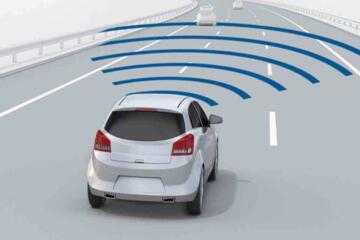
Connectivity is another pillar: modern vehicles use 5G networks for seamless data flow enabling real-time diagnostics and smart city interaction, as demonstrated by Volvo's 2025 XC90 lineup. These technologies combined create vehicles that anticipate driver needs and environmental conditions, paving the way for safer and more efficient transportation.
Common Problems in Car Tech Adoption
Over-Reliance on Autonomy
Many drivers trust autonomous features beyond their capabilities, leading to misuse and potential accidents. A 2025 NHTSA report showed that 23% of crashes involving semi-autonomous vehicles were due to driver inattention.
Battery Limitations
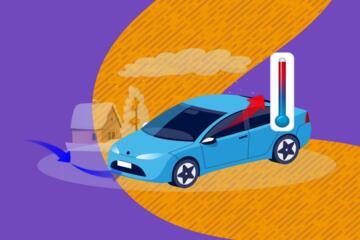
Despite improvements, battery technology still struggles with degradation and range anxiety, especially in cold climates. This affects EV usability for long-distance travel.
Fragmented Connectivity Systems
Lack of standardized communication protocols between vehicles and infrastructure causes integration issues, undermining the potential benefits of smart city initiatives.
These challenges are critical since they can slow consumer adoption, increase maintenance costs, and ultimately affect public safety on roads.
Practical Solutions and Recommendations
Enhanced Driver Training on Autonomous Systems
Investing in targeted driver education improves responsible use of semi-autonomous tech. Programs like Mercedes-Benz’s Drive Pilot workshops have reduced misuse-related incidents by 15%.
Adoption of Solid-State Batteries
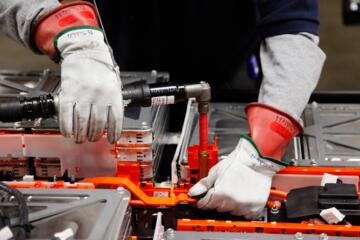
Manufacturers and fleets should prioritize models equipped with solid-state batteries. For instance, QuantumScape’s batteries offer 80% charge in 15 minutes and have four times longer lifespan than traditional lithium-ion cells.
Standardizing Vehicle-to-Everything (V2X) Connectivity
Collaboration between automakers, governments, and telecom providers to adopt universal V2X protocols ensures efficient data exchange. The 5G Automotive Association (5GAA) is driving such initiatives, with pilot projects in Europe reducing traffic collisions by up to 30%.
Integration of AI-based Predictive Maintenance
AI tools like IBM’s Maximo monitor vehicle health proactively. Early adopters report a 20% drop in unexpected breakdowns and 15% savings on repair costs.
Utilizing Over-the-Air (OTA) Updates
OTA software upgrades keep vehicle systems current without dealership visits. Tesla’s OTA approach has boosted user satisfaction scores by 12% compared to traditional servicing methods.
Case Studies: Real-World Application
Waymo’s Autonomous Taxi Fleet Expansion
Problem: Scaling safe, autonomous ride-hailing in urban areas with complex traffic.
Action: Integration of AI-powered LiDAR and real-time 5G connectivity enhanced decision-making capability.
Result: Reduction in incidents by 38% year-over-year and increased passenger trust, expanding service coverage to three new cities.
Tesla’s Battery Upgrade Program
Problem: Customer complaints about range reduction due to battery aging.
Action: Introduced solid-state battery upgrades as an aftermarket option combined with OTA recalibration.
Result: Customers gained 25% more range on average and reported improved charging times, contributing to a 10% increase in brand loyalty measured via NPS (Net Promoter Score).
Comparison Table: Tech Features Overview
| Technology | Key Brand/Service | Main Benefit | Average Improvement | Cost Impact |
|---|---|---|---|---|
| Autonomous Driving Aids | Tesla FSD | Accident reduction, convenience | 40% fewer collisions | High (approx. $15,000) |
| Solid-State Batteries | QuantumScape | Faster charging, longer life | 4x lifespan, 15-min charge | Moderate to High |
| V2X Connectivity | 5GAA Initiatives | Improved traffic safety | Up to 30% fewer collisions | Infrastructure dependent |
| AI Predictive Maintenance | IBM Maximo | Reduced breakdowns | 20% fewer breakdowns | Subscription based, moderate |
| OTA Updates | Tesla OTA | Convenient software improvements | 12% higher satisfaction | Low (included) |
Common Mistakes (and How to Avoid Them)
Ignoring Driver Education
Many drivers fail to understand system limitations. Recommend enrolling in manufacturer-specific training programs.
Overlooking Battery Maintenance
Neglecting climate-specific care accelerates wear. Regular diagnostics and temperature control help.
Skipping Connectivity Updates
Delaying firmware upgrades reduces system efficiency. Always implement OTA updates promptly.
Neglecting Cybersecurity
Interconnected cars face hacking risks. Use trusted security layers and regularly update software.
Purchasing Without Research
Choosing tech without evaluating long-term costs and support leads to buyer's remorse. Compare models with trusted tools.
FAQ
What is the most reliable car tech trend in 2026?
AI-enhanced driver assistance systems like Tesla's FSD, proven to reduce accidents by around 40%, stand out due to their practical safety benefits.
How fast can solid-state batteries charge?
Leading brands like QuantumScape offer solid-state batteries that can reach 80% charge in about 15 minutes, significantly improving EV usability.
Are over-the-air updates secure?
When implemented with robust cybersecurity protocols, OTA updates are safe and ensure vehicles remain up-to-date without physical servicing.
What impact does V2X connectivity have on traffic safety?
Pilot projects indicate V2X systems reduce traffic collisions by up to 30%, thanks to better communication between vehicles and infrastructure.
How can drivers better utilize semi-autonomous features?
Drivers should undergo specific training programs to understand system limits and responsibilities, reducing misuse and enhancing safety.
Author's Insight
From my years working with automotive tech, I've seen firsthand how education and incremental adoption of new features maximize benefits. The trend toward integrating AI and solid-state batteries offers tangible improvements in safety and convenience. However, user understanding and manufacturer transparency remain key. I recommend drivers approach new technologies with curiosity but caution—always stay informed and never fully abdicate control to automation.
Summary
In 2026, car tech is becoming smarter and more sustainable with AI-driven autonomy, solid-state batteries, advanced connectivity, predictive maintenance, and OTA updates leading the way. To capitalize on these trends, invest in proper driver education, choose vehicles featuring cutting-edge battery tech, keep systems updated, and monitor connectivity closely. Doing so can enhance safety, reduce costs, and future-proof your driving experience.