Maintenance Skips Add Up
A missed service interval rarely stays small. A 5,000-mile oil change delay can raise engine wear, and a neglected brake inspection can turn pad replacement into rotor machining. In the US, the average vehicle is kept about 12 years, so maintenance gaps compound over time.
Maintenance timing matters more than many buyers expect because wear parts interact. Tires affect fuel economy, which affects running costs, which affects how long you can keep a vehicle before selling. A simple example: underinflated tires can reduce fuel economy by several percent, and that loss repeats every tank.
Vehicle type changes the failure pattern. A 2.0L turbo engine runs hotter than a naturally aspirated 2.5L, so oil quality and coolant health matter more. A hybrid like a Toyota Prius uses both engine and electric systems, so inverter cooling and brake service schedules matter too.
Skip the timer apps. They add one more thing to manage.
Industry guidance also points to predictable intervals. Many manufacturers specify oil changes around 5,000–10,000 miles depending on oil spec and driving conditions, and brake fluid service often lands around 2–3 years. When those targets slip, moisture and contamination build, and corrosion accelerates in calipers, lines, and ABS sensors.
What People Get Wrong
People often treat maintenance like a checklist for “no warning lights.” That approach fails because many problems start quietly: a slow coolant leak, a weak battery cell, or a transmission fluid that has sheared down. The car may still start, but the next failure arrives with a higher labor bill.
Another mistake is assuming mileage alone controls risk. Short trips keep engines from reaching full operating temperature, so condensation and fuel dilution build in the oil. A 30-mile highway commute at 70 mph stresses brakes differently than 10-mile stop-and-go driving, even with the same odometer reading.
Consequences show up in three places: repair frequency, downtime, and ownership cost. A neglected cooling system can lead to a head gasket job that costs far more than a thermostat and hoses. A missed alignment after tire replacement can chew through tread, which then forces earlier tire purchases.
Real-world situations look like this. A 2018 Honda CR-V with a 1.5L turbo may still feel fine after 8,000 miles on old oil, but the turbo depends on oil cleanliness for bearing life. A 2020 Ford F-150 with a 3.5L EcoBoost can run hot under towing, so coolant maintenance and oil spec compliance matter more than a casual “it’s not due yet.”
Skip the “it’s probably fine” habit. It turns inspections into emergencies.
Depreciation also reacts to maintenance history. Buyers often pay less for vehicles with incomplete service records, even when repairs were done later. That price gap can outweigh the savings from skipping a $200 service visit.
Specific Fixes that Work
Oil changes on schedule
Do the oil service at the interval in your owner’s manual, then match the oil grade to the spec on the label. This works because modern engines rely on viscosity and additive packages to control wear and deposits. In practice, a 5W-20 or 0W-20 change every 7,500 miles on a typical commuter schedule keeps oil in the usable range longer than stretching to 12,000 miles.
Use a receipt trail. It helps resale and warranty claims.
Brake fluid and calipers
Service brake fluid on the recommended timeline, often around 2 years, and inspect caliper slide pins during pad jobs. Brake fluid absorbs moisture, which lowers boiling point and increases corrosion risk inside the system. If you drive hard or tow, fluid can darken faster, and that can show up as longer pedal travel.
Check for uneven pad wear. It signals sticking hardware.
Cooling system health checks
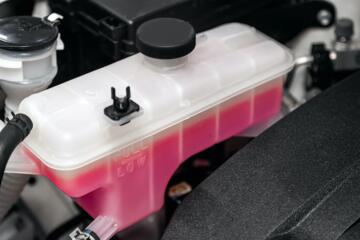
Inspect coolant level, hoses, and the radiator cap during routine services, and replace thermostat or coolant when the manual calls for it. This matters because overheating damages head gaskets and warps components. For example, a 2.5L engine that runs 10–15°C hotter than normal for months can accelerate gasket aging, even without a dramatic temperature spike.
Watch the overflow bottle. A slow leak rarely announces itself.
Transmission fluid reality
Follow the manufacturer’s guidance for automatic and CVT fluid changes, and treat “lifetime fluid” claims cautiously when severe use applies. Fluid degrades from heat and shear, which can cause shudder, delayed shifts, or harsh engagement. In practice, a service at 60,000–100,000 miles on many vehicles can prevent expensive internal wear, though exact intervals vary by model and fluid type.
Skip the “never serviced” story. It costs more at teardown.
Tires, alignment, and fuel
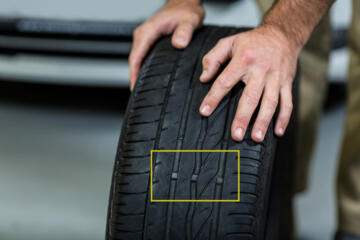
Rotate tires on schedule and check alignment after uneven wear or impacts. Tire wear changes rolling resistance, and rolling resistance affects fuel economy. If your SUV drops from 24 mpg to 20 mpg on the same route, that 16.7% loss can add hundreds of dollars over a year, depending on miles driven.
Measure tread depth with a gauge. Visual checks miss the trend.
Battery and charging checks
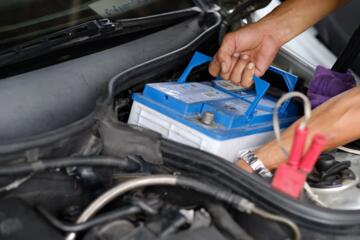
Test the battery load and charging output, especially before winter. A weak battery can cause slow cranking and trigger sensor faults that look unrelated. Many batteries show reduced capacity months before they fail, and an alternator that runs low can shorten battery life.
Bring your scan tool data. Even a basic OBD-II reader helps.
Cabin filter and HVAC airflow
Replace the cabin air filter at the interval in the manual, and inspect blower operation when airflow drops. Restricted filters increase blower motor load, which can shorten motor life. In practice, a clogged filter can reduce vent airflow noticeably in 1–2 seasons, and the fix is usually cheaper than replacing a failed blower resistor or motor.
Note the fan speed setting. A weak high setting points to the blower circuit.
EV charging limits and cooling
For EVs, follow charging limits and avoid frequent 100% charges when the car supports a lower daily target. This works because high state-of-charge increases battery stress, and battery thermal management depends on proper coolant flow. Many EVs allow a “daily” charge cap around 70–90%, and keeping it there can slow capacity loss over time, though the exact benefit varies by chemistry and climate.
Check the thermal system warning history. It’s easy to miss during routine visits.
Mini Case: Fleet vs. Neglect
A small delivery fleet ran 18 compact vans on a loose “only when it breaks” approach. They skipped scheduled brake inspections and delayed oil changes by 3,000–5,000 miles. After 40,000 miles, three vans showed uneven pad wear, and two needed rotor replacement plus caliper slide service.
They switched to a 5,000-mile oil interval and a monthly brake visual check. They also required tire rotations every 7,500 miles and alignment checks after curb strikes. Over the next 20,000 miles, rotor replacements dropped from 2 per 40,000 miles to 0 per 20,000 miles, and downtime hours fell because fewer vehicles sat for multi-day brake work.
Skip the “we’ll catch it later” plan. It turns one job into two.
Costs varied by region, but the pattern matched: fewer repeat repairs and fewer tow calls. The fleet manager tracked parts invoices and found that brake-related spending became more predictable, even when the shop labor rate stayed the same.
Mini Case: EV Service Timing
A commuter with a 2021 EV used fast charging for most trips and routinely charged to 100% before long drives. The car still met range needs, but cabin heat performance and battery cooling behavior became less consistent during repeated high-rate sessions. The owner noticed the car would limit power earlier on cold mornings, which often points to battery thermal conditioning strategy.
They changed daily charging to a lower cap and scheduled charging to finish closer to departure time. They also followed the recommended coolant and brake fluid service intervals, which many EV owners overlook because there is no engine oil. Over the next winter, the driver reported fewer power-limit events during the first 10–15 minutes of driving, and the service visits stayed within the planned budget.
Battery range estimates vary by temperature and driving style. The key change was reducing stress cycles, not chasing a single number.
Checklist for Smarter Upkeep
| Service item | When to do it | What to watch | Cost risk if skipped |
|---|---|---|---|
| Engine oil | Every 5,000–10,000 miles per manual | Oil level, viscosity, filter condition | Higher wear, deposit buildup, turbo risk |
| Brake fluid | Often every 2–3 years | Moisture, corrosion signs | Corroded lines, ABS issues |
| Cooling system | Inspect each service; replace per schedule | Coolant level, hose softness | Overheating, head gasket repairs |
| Transmission fluid | Per manual; sooner for towing | Shift quality, fluid condition | Shudder, expensive rebuilds |
| Tires + alignment | Rotate ~5,000–8,000 miles | Uneven tread, steering pull | Tread loss, fuel economy drop |
| Cabin filter | Per manual; sooner in dust | Airflow reduction | Blower motor stress |
Common Mistakes to Avoid
Skipping the “minor” inspection is the first trap. It happens because the car shows no warning lights, which makes the inspection feel optional. The impact is delayed detection of leaks, worn suspension bushings, and brake hardware sticking. Avoid it by scheduling a 30–60 minute multipoint inspection at the same time as oil service, then asking for photos of brake pad thickness and tire wear patterns.
Skip the “I’ll remember next time” note. It rarely survives a busy week.
Another mistake is using the wrong oil spec. People sometimes choose a cheaper viscosity that matches the label but not the manufacturer’s required performance level. The impact can include increased consumption or reduced protection under high load. Avoid it by matching the exact API/ILSAC or ACEA spec listed in the manual, then confirming the shop prints the oil bottle spec on the invoice.
Ignoring battery age is common. A battery can test “okay” at rest and still fail under load, especially with cold starts. The impact shows up as slow cranking, random electrical faults, and repeated diagnostic fees. Avoid it by testing with a load tester and checking the date code; many batteries show age-related capacity loss after 3–5 years depending on climate.
Overlooking child-seat and cabin airflow issues is a quieter maintenance miss. A weak HVAC blower can reduce defogging performance, and that affects visibility during school runs. The impact is safety risk during rain or fog, plus extra wear on the blower motor. Avoid it by checking cabin airflow and filter condition before the rainy season, and verifying that the rear seat belts and latch points remain clean and unobstructed.
Skipping EV brake service is another pattern. EVs still use friction brakes, and corrosion can build in calipers when the car relies heavily on regenerative braking. The impact is seized hardware and higher brake job costs later. Avoid it by following the brake fluid and brake inspection schedule in the manual, even when brake pads appear to last longer.
FAQ
How late can I go on oil?
Oil intervals depend on the engine design, oil spec, and driving pattern. Many manuals target 5,000–10,000 miles, but short trips and towing can shorten the safe window because oil collects condensation and fuel. If you stretch by 2,000–3,000 miles, the risk rises, especially on turbo engines that rely on clean oil for bearing lubrication. The practical move is to check oil level more often, keep receipts, and follow the manual after any extended delay.
What maintenance saves the most money?
Brake fluid service and cooling system upkeep often prevent expensive secondary damage. Moisture in brake fluid can corrode lines and internal components, while overheating can lead to head gasket or warped parts. Tire rotation and alignment also protect budgets because uneven wear forces earlier tire replacement and can reduce fuel economy by several percent. The best “savings” comes from preventing repeat repairs, not from skipping every other visit.
Does skipping maintenance hurt resale value?
Yes, incomplete service records can reduce buyer confidence even when repairs were performed later. Many buyers filter listings by maintenance history, and a missing log can shift negotiations toward “unknown condition.” Depreciation also reflects risk: a vehicle with deferred cooling or transmission service can show higher probability of near-term repairs. Keep invoices, note mileage at each service, and document any warranty work.
Can one missed service cause a breakdown?
One missed visit rarely causes an immediate failure, but it can start a chain. A delayed coolant service can allow corrosion to progress, and that can later clog passages or damage seals. A skipped brake inspection can miss a sticking caliper, which then overheats pads and rotors. The more accurate expectation is that skipping increases the chance of failure sooner, not that it guarantees a breakdown.
What should I do before a road trip?
Do a short pre-trip check: tire pressures, tread depth, visible brake condition, and coolant level. For EVs, confirm charging plans and verify the car’s thermal behavior on cold mornings; fast charging rates can drop when the battery is cold. For gasoline cars, check that the battery is healthy and that wiper fluid and defogging work, since visibility matters more than comfort on long drives. If the car has a known issue, schedule diagnosis before departure, not after.
Author's Insight
Maintenance costs rise when wear shifts from “replace a part” to “repair a system.” Oil, cooling, and brake fluid are recurring examples because they protect components that are expensive to access. I also see patterns where tires and alignment quietly raise fuel costs, then owners notice only after the budget feels tight.
For EVs, charging habits and thermal management affect battery behavior, while brakes still need inspection and fluid service. The practical approach is to follow the manual intervals, track invoices, and treat inspection findings as decisions, not paperwork. When a shop recommends work, ask for measurements like tread depth, brake thickness, and scan data—numbers reduce guesswork.
What to Remember
Skipping maintenance costs more later because it increases corrosion, wear, and secondary damage. The next step is to pull your owner’s manual schedule, then mark the next 3 services by mileage and date. If you are behind, catch up in priority order: brakes and cooling first, then oil, tires, and transmission fluid per the manual.
Benefits show up as fewer repeat repairs, more predictable downtime, and better resale confidence. Limits exist: some repairs depend on driving conditions, and some symptoms require diagnosis before parts replacement. If you notice overheating, brake warning lights, coolant loss, or repeated power limits in an EV, seek professional inspection promptly rather than waiting for the next scheduled service.