Why Cargo Numbers Mislead
Cargo capacity is usually listed as cubic feet, but the usable volume depends on door opening, wheel-arch intrusion, and seatback geometry. A “max” number often assumes the rear seats fold flat and the cargo floor sits at a specific height, which changes with trim and model year.
Payload is another trap. GVWR and axle ratings cap what you can carry, and those limits include passengers and cargo together. For many trucks and SUVs, a published payload like 1,500 lb can drop by 200–400 lb once you add a full tank of fuel and a few adults.
Skip the brochure math. It ignores real-world constraints like cargo weight distribution. The reason is simple: a box that fits in cubic feet can still exceed axle limits or block access to child-seat anchors.
Real-world measurements matter because cargo space is not uniform. A typical midsize SUV may advertise around 70–80 cu ft behind the first row, yet the practical “luggage zone” can be closer to 40–55 cu ft once you account for a high lift-over and the sloping roofline. Meanwhile, many EVs trade trunk space for battery packaging; some offer 25–35 cu ft behind the rear seats plus a smaller front trunk, but the battery mass also tightens payload.
Fuel economy also changes the cargo story. A 2.0L turbo can return roughly 25–30 mpg combined in many applications, while a heavier vehicle with roof racks and a full load can fall several mpg. That matters when you plan road trips with coolers, camping gear, and extra passengers.
Where Buyers Get Burned
People often shop by the biggest cubic-feet headline, then discover the cargo floor is too high for loading groceries or too narrow between wheel wells. They also assume “folded seats” means “flat floor,” even when there’s a noticeable step or gap that catches luggage wheels.
Skip the seat-fold assumption. It looks flat in photos, then you find a 1–3 inch ridge in real life. That ridge can turn a 28-inch suitcase into a wrestling match, especially if you load from the curb.
Weight is where the financial consequences show up. Exceeding payload can increase tire wear, shorten brake life, and raise the risk of overheating on long grades. Even staying under payload, carrying 1,000–1,500 lb regularly can move you from “normal” maintenance intervals to earlier replacements for tires and brake pads.
Road-trip situations expose the mismatch. A family packing for a week might plan for 6–8 suitcases, a stroller, and a cooler, then forget that child seats need space for installation and that the stroller often rides in the same area as the cooler. If the rear door opening is narrow, you end up leaving items in the front seats, which reduces passenger comfort and can affect visibility.
Safety and restraint fit matter too. LATCH/ISOFIX anchor locations and top-tether routing can be harder to access when the cargo area is crowded. Some vehicles also have seatbelt geometry that makes it harder to route straps tightly when the seatback is partially folded.
How to Verify Cargo Fit
Measure the door opening
Do this: bring a tape measure and note the maximum width and height through the rear door opening. Then compare it to the largest item you actually load, like a 30–32 inch suitcase or a folded stroller box.
Why it works: cubic feet ignore the “lift-over” height and the angle of the opening. In practice, a narrow opening forces you to rotate items, which can scratch trim and slow loading.
What it looks like: in a test fit, a soft-sided cooler may slide in easily while a hard cooler needs a different angle. That difference shows up fast when you load in a parking lot, not a showroom.
Tools: a 1-inch painter’s tape marker on the threshold helps you visualize clearance. I’ve seen buyers miss this by 2–3 inches, then return the vehicle after the first week of packing.
Outcome target: if your largest item needs more than 90% of the opening height, plan for a different packing strategy or a different vehicle.
Check the floor height and step
Do this: measure the cargo floor height from the ground and look for a step where the seats fold. Compare the step height to the wheel diameter of your luggage and the handle clearance of your stroller.
Why it works: a high floor increases effort and makes loading heavier items harder. A seat-fold step also reduces usable volume even when the brochure says “flat.”
What it looks like: a 2–3 inch step can prevent a rolling suitcase from staying upright, so it tips into the wheel well area. That’s when people start leaving bags in the front seat.
Tools: a smartphone level app helps you see whether the cargo floor slopes toward the back. On some trims, the floor sits higher behind the wheel arches, which changes how long items rest.
Outcome target: if you routinely load 50–70 lb items, prioritize lower lift-over height and minimal floor steps.
Validate payload with real weights
Do this: calculate payload using the vehicle’s published payload and subtract estimated passenger weight and cargo weight. Include the weight of a full tank and any accessories like a roof rack or hitch cargo carrier.
Why it works: payload limits are based on GVWR and axle ratings, not on cubic feet. A vehicle can have 70 cu ft of space and still be limited to 1,000–1,200 lb of total cargo for a typical family.
What it looks like: a family of four at 180 lb each plus 150 lb of gear already uses 870 lb before you add coolers, tools, or sports equipment. If the vehicle’s payload is 1,000 lb, you have little room left.
Tools: use a simple spreadsheet and list each item with an estimated weight. I’ve used a 2024 model-year spec sheet and a grocery receipt weight log for a week—frankly, it’s the only way to stop guessing.
Outcome target: keep planned cargo under payload by a margin, since tire load ratings and uneven loading can matter.
Account for axle and tire limits
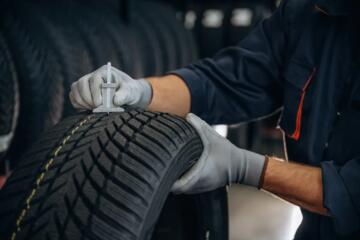
Do this: check tire load ratings and the vehicle’s recommended tire pressures for loaded conditions. Then confirm the tires match the load you expect, not just the vehicle sticker payload.
Why it works: tires are the contact patch that carries the load. If you load near the limit, tire wear accelerates and ride harshness increases.
What it looks like: on long highway trips, near-limit tires can show faster tread wear on the outer shoulders. That’s a cost you feel at the next tire replacement.
Tools: look up the tire size and load index printed on the sidewall. A load index mismatch is rare on factory tires, but it happens after owners swap to different tires.
Outcome target: if you plan frequent heavy loads, choose a configuration with higher payload and tires rated for it.
Plan for towing and tongue weight
Do this: treat towing capacity and payload as linked. Tongue weight counts against payload, and a trailer’s loaded weight changes what the truck or SUV can handle.
Why it works: many vehicles list a high towing number, but the real constraint is often payload plus brake cooling and drivetrain limits. A 3,500 lb trailer can still be too much if the tongue weight is high.
What it looks like: a small utility trailer loaded with tools can have 10–15% tongue weight. That means a 3,000 lb trailer can put 300–450 lb on the hitch.
Tools: use a trailer scale once, then you stop arguing with estimates. If you don’t have a scale, weigh the tongue at a truck stop or feed store with a platform scale.
Outcome target: keep tongue weight within the vehicle’s hitch and payload limits, then watch brake performance on grades.
Test child-seat access and anchors
Do this: install the child seat in the vehicle you’re considering, using the exact seat model you own. Check whether the seat can be tightened without the cargo area blocking access to the belt path.
Why it works: cargo loading changes how you reach anchors and top tethers. When the rear is packed, you end up loosening and re-tightening seats, which is a hassle and can lead to incorrect installation.
What it looks like: some vehicles have top-tether anchors behind panels that are easy to reach only when the cargo is empty. That’s a real problem on soccer nights.
Tools: bring the owner’s manual for your child seat and a small flashlight. I’ve seen anchor locations that look obvious in daylight but hide behind a trim flap after dark.
Outcome target: if you can’t install and verify the seat in under 10 minutes, the vehicle will feel smaller than the numbers suggest.
Compare EV cargo with battery mass
Do this: check the EV’s payload rating and the trunk volume behind the rear seats. Then compare it to the weight of passengers and cargo you plan to carry.
Why it works: battery mass reduces payload headroom in many EVs. Some EVs also have a lower rear seat load floor, which changes how bulky items fit.
What it looks like: a front trunk (frunk) can add usable space, but it often has a narrower opening and limited depth. That makes it better for chargers and small bags than for a full cooler.
Tools: measure the frunk opening and depth with a cardboard box. A 2023–2024 EV I reviewed had a frunk that swallowed a 10 lb bag easily, yet struggled with a 16-inch-wide cooler.
Outcome target: if you plan road trips, also check how cargo weight affects range estimates and charging stops.
Plan charging stops with load
Do this: use the vehicle’s range estimate with your typical load and driving speed. Then map charging stops with a buffer, since range drops with extra weight and higher speeds.
Why it works: EV range estimates vary by temperature, speed, and accessory use. Adding 300–800 lb of cargo can reduce real-world range enough to change your charging schedule.
What it looks like: a trip that fits in one charge at 65 mph may require a top-up at 75 mph with a full family and cooler. The schedule shift is what costs time.
Tools: check the car’s navigation charging plan and compare it to a third-party route planner if you use one. I’ve noticed that some built-in planners update after you change the route, which can surprise you.
Outcome target: plan charging stops based on the worst day of weather and the heaviest load you expect.
Mini Case: Fleet Vans
A service company ran two similar vans with different cargo configurations. The higher-cubic-feet option had a lower payload rating, and the crew routinely carried tools, parts, and two technicians per van.
They tracked returns and tire wear after 18 months, then compared maintenance invoices. The higher-volume van needed tire replacements about 6,000 miles earlier, and brake pad wear showed up sooner on routes with frequent stops.
What they did: they switched to the configuration with higher payload and better tire load ratings, even though the cargo volume dropped by roughly 10–15 cu ft. They also standardized tool organization to keep weight centered over the axle.
Result: over the next 24 months, tire replacement frequency dropped and brake jobs were delayed by about 10–15%. Fuel economy improved modestly too, since the vans ran closer to the intended load distribution.
Skip the “more space” assumption. It can raise operating costs when payload is the real limiter.
Mini Case: Family SUV
A family compared two midsize SUVs for a week-long road trip. Both advertised similar maximum cargo volume, but one had a higher lift-over height and a deeper wheel-well intrusion.
They packed the same items: four suitcases, a stroller, a cooler, and a foldable playpen. The SUV with the higher step required rearranging the cargo twice per day, and the cooler ended up in the second-row footwell more often than expected.
What they did: they measured the largest suitcase and checked door opening clearance at home. They also weighed the packed cargo using a bathroom scale under a platform, then compared it to the payload rating.
Result: the “bigger number” SUV stayed under payload, but it pushed the family toward less convenient packing. The other SUV reduced loading time by several minutes per trip and kept the child-seat area accessible.
Outcome: the family chose the vehicle with slightly less cubic feet but better access geometry.
Cargo Checklist and Table
| What to verify | Why it matters | How to test in 10 minutes | Red flag |
|---|---|---|---|
| Door opening (W×H) | Determines whether bulky items fit | Bring a box matching your largest item | Box needs forced rotation |
| Cargo floor step | Reduces usable flat area | Roll a suitcase across the folded seats | Suitcase tips or catches |
| Payload vs your weights | Limits total cargo + passengers | Subtract estimated passenger and gear weights | You exceed payload on paper |
| Tire load index | Affects wear and safety margins | Confirm factory tire load index matches needs | Aftermarket tires with lower index |
| Child-seat access | Crowding changes installation | Install your seat and check top tether reach | You can’t tighten without removing cargo |
| EV range with load | Cargo weight changes charging needs | Use navigation plan with your route and speed | You arrive near 0% on the estimate |
Common Mistakes and Fixes
Buying by cubic feet alone happens because the number is easy to compare. The impact is wasted time and a vehicle that feels smaller once you load wheel-arch shapes and lift-over height. Avoid it by measuring your largest item and doing a physical fit test.
Skip the “folded seats” promise. It happens because brochures show ideal angles. The impact is a hidden step that blocks rolling luggage. Avoid it by rolling a suitcase across the folded seats and checking for a ridge.
Ignoring payload happens because payload is buried in spec sheets and people estimate cargo weight loosely. The impact is accelerated tire and brake wear, plus a higher chance of brake fade on long grades. Avoid it by weighing your typical load once and subtracting from payload.
Overlooking tongue weight happens when towing numbers get treated as a single limit. The impact is exceeding payload even with a trailer under the towing rating. Avoid it by using a trailer scale and keeping tongue weight within the vehicle’s limits.
Forgetting child-seat access happens when shoppers focus on trunk space and ignore rear-seat ergonomics. The impact is slower loading and sometimes incorrect installation. Avoid it by installing your child seat in the vehicle and checking top-tether reach with the cargo area empty and then partially loaded.
Relying on EV range without load happens because range estimates assume a baseline. The impact is a charging schedule that slips, especially at higher speeds or cold temperatures. Avoid it by planning charging stops with a buffer and checking the navigation plan after you set your route.
FAQ
Is cubic feet the best metric?
Cubic feet is a starting point, not a final answer. It measures volume under specific assumptions, usually with seats folded and a defined cargo floor position. Two vehicles can list similar maximum cubic feet while one has a higher lift-over height or more wheel-well intrusion, which reduces usable space for suitcases and coolers. Treat cubic feet as a “ceiling,” then verify door opening dimensions, floor steps, and how your largest items actually roll or slide into place.
How do I estimate payload correctly?
Use the vehicle’s published payload rating and subtract estimated passenger and cargo weights. Include the weight of a full tank of fuel if you routinely start trips full. For cargo, weigh representative items once—tools, sports gear, or groceries—and build a repeatable list. A common mistake is assuming “light” items like bags and coolers weigh less than they do. If your estimate lands near the payload limit, reduce cargo or choose a configuration with higher payload.
Does towing capacity affect cargo space?
Towing capacity and cargo capacity are linked through GVWR and payload. Tongue weight from the trailer counts against payload, and it also changes how the vehicle sits, which can affect rear visibility and access to the cargo area. A vehicle can tow a trailer within its towing rating yet still exceed payload once passengers and cargo are added. Check the hitch rating, trailer tongue weight, and payload together, then confirm brake cooling and grade performance for your typical routes.
What should I check for child seats?
Check anchor access and seatbelt geometry with your actual child seat installed. Verify that you can tighten the seat without fighting cargo clutter, and confirm top-tether routing if your seat uses it. If you plan to fold seats for cargo, check whether the child seat can still be installed in the same position afterward. Also test whether the rear door opening and seatback angle make it practical to buckle the child in and out during busy evenings.
How does EV cargo change range?
EV cargo affects range through added mass and increased aerodynamic drag from roof racks or bulky items. Range estimates vary by speed, temperature, and accessory use, so the same vehicle can show different results on different days. If you carry 300–800 lb of extra cargo, the real-world range can drop enough to change charging stops, especially on highway trips. Plan charging with a buffer and re-check the navigation charging plan after you set your route and expected speed.
Author's Insight
Cargo numbers hide the geometry of loading: door openings, lift-over height, wheel wells, and seat-fold steps decide whether items move smoothly or get stuck. Payload limits are the real ceiling for family trips and work gear because they include passengers and cargo together under GVWR and axle ratings.
EVs add another layer: battery mass tightens payload headroom, and extra weight can shift charging schedules even when the trunk volume looks generous. A practical test beats a spec sheet—bring a box that matches your largest item and do a fit check, then verify payload with estimated weights.
Some buyers treat this as a one-time decision. It rarely stays one-time once you add a trailer, a new stroller, or a different set of tools.
Key Takeaways
Start with the brochure numbers, then verify the parts that numbers hide: door opening, floor step, wheel-well intrusion, and how your items actually load. Use payload math with estimated passenger and cargo weights, and include tongue weight if towing.
Next step: do a physical fit test with your largest suitcase or cooler, then compare the result to the vehicle’s payload rating. If you’re buying an EV, map charging stops with a buffer for heavier loads and higher speeds.
Limits remain even after careful checking. If you routinely carry near the payload limit, expect faster tire wear and more frequent brake service, and you may need a different configuration.
Seek professional help when you’re unsure about load distribution, towing setup, or child-seat installation. A qualified installer or dealer service team can check anchor points and tightening methods, which matters when the vehicle is packed and access is tight.