Electric Mobility Reality
While an electric vehicle (EV) might look like a traditional internal combustion engine (ICE) car from the outside, the physics acting upon its contact patches are fundamentally different. The primary challenge is the "weight-torque paradox." A standard sedan like a BMW 3 Series weighs roughly 3,500 lbs, whereas a Tesla Model 3 Long Range—comparable in size—tips the scales at over 4,000 lbs due to the floor-mounted lithium-ion battery pack.
This extra mass creates a constant vertical load that standard tire sidewalls are not designed to support over long durations. Furthermore, the delivery of power in an EV is binary. Unlike an ICE vehicle that builds torque through a rev range, an EV motor delivers maximum torque at zero RPM. This puts immense shear stress on the tire tread every time the light turns green. Data from J.D. Power indicates that EV owners report higher satisfaction with performance but significantly lower satisfaction with tire wear compared to ICE owners, with many surprised by a 20% to 50% faster wear rate.
The Physics of Instant Torque
In a traditional vehicle, the transmission and engine inertia act as a buffer. In an EV, the connection between the accelerator and the pavement is nearly instantaneous. This creates "micro-slippage"—tiny, almost imperceptible slides where the rubber loses and regains grip in millisecond intervals. Over thousands of miles, these micro-slips act like sandpaper, filing down the tread depth much faster than a gradual roll-out would.
Weight Distribution and Lateral Force
EVs typically feature a near 50/50 weight distribution or a rear-bias, which is great for handling but challenging for tires. Because the center of gravity is so low, drivers often take corners at higher speeds without feeling body roll. This increases the lateral demand on the tire shoulders, leading to uneven "cupping" or shoulder wear that wouldn't typically appear on a lighter, front-heavy economy car.
Conventional Rubber Fails
The most common mistake is treating an EV tire replacement like a budget-shopping exercise for a standard commuter car. When you put a standard "Grand Touring" tire on a high-performance EV, you aren't just losing grip; you are compromising the structural integrity of the tire. Standard tires are built with a focus on cost-efficiency and moderate load indexes.
The consequences of using under-specified tires include increased braking distances—which can be dangerous given the extra 500–1,000 lbs an EV carries—and a significant drop in cabin comfort. Standard tires lack the internal sound-dampening foam found in EV-specific models like the Michelin Pilot Sport EV or the Continental Silent series. Without an engine to mask the sound, the "singing" of a standard tire on asphalt becomes a constant, high-pitched annoyance for the driver.
Solutions for Tread Life
Prioritizing High Load (HL) Capacity Ratings
When shopping for tires, the most important marking to look for is the "HL" prefix or a significantly higher Load Index than the OEM requirements. An "HL" tire is engineered to carry more weight at the same air pressure as an "XL" (Extra Load) or standard tire. This is achieved through reinforced beads and stiffer sidewall constructions. By using HL-rated tires, you reduce the "bulge" at the contact patch, which prevents internal heat buildup—the number one killer of rubber longevity.
Compound Chemistry and Rolling Resistance
EV-specific tires utilize a high-silica compound combined with specialized resins. Brands like Bridgestone with their "Enliten" technology focus on reducing the rolling resistance coefficient (RRC). Lower RRC doesn't just mean more miles per charge; it means the tire generates less friction-based heat. In practical terms, switching from a standard low-cost tire to a dedicated EV tire can improve vehicle range by 5% to 10%, effectively "paying" for the tire's premium price over its lifespan through energy savings.
Specialized Tread Pattern Rigidity
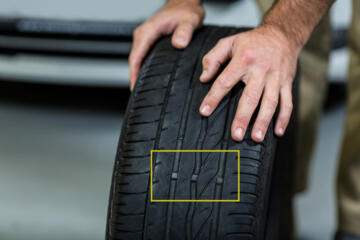
Look for tires with "solidified" tread blocks. On a standard tire, the tread blocks are designed to flex to provide comfort. On an EV, this flex leads to "block squirm," which accelerates wear. EV tires use interlocking sipes and wider center ribs to maintain a rigid footprint. For example, the Hankook iON EVO series utilizes "Grip Boost" technology that increases lateral stiffness by 25% compared to non-EV tires, specifically to counter the high-torque demand.
Acoustic Foam Integration
Since EVs are nearly silent, tire manufacturers now line the interior of the tire with polyurethane foam. This "acoustic tech" (like Pirelli’s PNCS or Tesla’s T0 marking) reduces "cavity noise"—the sound of air vibrating inside the tire—by up to 9 decibels. If you replace these with standard tires, the perceived cabin noise can double, leading to a much less premium driving experience.
Precision Alignment and Rotation Schedules
Because EVs are sensitive to toe and camber settings due to their weight, I recommend a four-wheel alignment every 5,000 miles, rather than the standard 10,000. Even a fraction of a degree of misalignment can "scrub" the tread off an EV in a single cross-country trip. Furthermore, because rear-wheel-drive EVs (like the VW ID.4 or Tesla Model 3 RWD) punish the rear tires with torque, rotating them every 3,000–5,000 miles is non-negotiable for evening out the wear.
Real-World Performance
Case Study 1: The Urban Fleet Transition
A mid-sized delivery firm transitioned 20 of its vans to electric platforms. Initially, they used standard commercial tires. The results were disastrous: tires were hitting the 2/32" wear limit at just 12,000 miles. After switching to Michelin Agilis EV tires—which feature a reinforced "MaxTouch" construction—the fleet saw an average lifespan increase to 22,000 miles. While the tires cost 20% more, the 83% increase in mileage reduced the total cost of ownership (TCO) significantly.
Case Study 2: The Performance Sedan Dilemma
A Tesla Model S Plaid owner complained of a "vibration" and "excessive road noise" after replacing his factory tires with a popular budget all-season brand. A technical inspection revealed the tires were "out of round" because the heavy weight of the Plaid had caused flat-spotting after the car sat overnight. Switching back to the Pirelli P Zero Elect solved the noise issue and improved the 0-60 mph traction, which had been slipping on the budget rubber.
EV vs. Standard Tires
| Feature | Standard Passenger Tire | Dedicated EV Tire (e.g., Hankook iON) |
|---|---|---|
| Load Capacity | Standard (SL) or Extra Load (XL) | High Load (HL) Reinforced |
| Torque Resistance | Moderate; blocks may squirm/chip | High; rigid tread ribs |
| Noise Control | None (standard air cavity) | Integrated Sound-Absorbing Foam |
| Rolling Resistance | Average | Ultra-Low (optimized for range) |
| Tread Life on EV | 15,000 - 20,000 miles | 30,000 - 45,000 miles |
| Average Cost | $120 - $180 per tire | $220 - $350 per tire |
Common Pitfalls
- Ignoring PSI Specs: Many EV owners use the "standard" 32-35 PSI. However, most EVs require 40-45 PSI to support their weight. Under-inflation causes the tire to flex excessively, generating heat that melts the rubber's chemical bonds.
- Chasing High-Mileage Warranties: A 60,000-mile warranty on a standard tire is often voided if the manufacturer determines the tire was used on a vehicle for which it wasn't rated. Always check if the warranty covers EV applications.
- Mixed Sets: Never mix an EV-specific tire with a standard tire on the same axle. The difference in grip levels and sidewall stiffness can confuse the car’s traction control system, leading to erratic braking and potential sensor errors.
- The "Eco" Trap: Not all "Eco" tires are EV-rated. Some "Eco" tires achieve low rolling resistance by having thinner tread, which will wear out almost instantly under the torque of an electric motor.
FAQ
Why do my EV tires look "bald" on the inside edge but fine on the outside?
This is often due to the negative camber settings used by EV manufacturers to improve stability for heavy vehicles. Regular alignment and ensuring you aren't overloading the vehicle can help, but some "inner wear" is a byproduct of EV suspension geometry.
Can I use winter tires on an EV?
Yes, but look for EV-specific winter tires like the Nokian Hakkapeliitta 10 EV. Standard winter tires have very soft compounds that will shred quickly under EV torque and can reduce your winter range by up to 15%.
Is the "foam" inside EV tires permanent?
Yes, it is glued to the inner liner. It does not affect the ability to patch a puncture, though the technician will have to peel back or cut a small section of the foam to apply the patch.
Does regenerative braking affect tire wear?
Actually, yes. Aggressive regenerative braking creates a "reverse torque" on the tires. Instead of the brake pads absorbing the energy, the tire tread has to grip the road to slow the car down, adding a second type of wear cycle.
Why are EV tires more expensive?
You are paying for more expensive raw materials (high-grade silica), specialized manufacturing processes for the acoustic foam, and more robust internal steel belts.
Author’s Insight
In my years of consulting for automotive service centers, the biggest "aha!" moment for clients is when they see a cross-section of a tire. I’ve seen standard tires literally de-laminate because they couldn't handle the thermal load of a heavy EV on a hot highway. My personal rule of thumb: if the car weighs over 4,000 lbs and does 0-60 in under 6 seconds, you simply cannot afford to "cheap out" on rubber. Spend the extra $300 on a set of HL-rated, foam-lined tires; your ears and your wallet will thank you after 20,000 miles of silent, efficient driving.
Summary
The transition to electric mobility requires a fundamental shift in how we approach vehicle maintenance, particularly regarding the tires. Standard rubber is simply not equipped to handle the unique combination of high mass, instant torque, and the need for extreme acoustic refinement. By investing in dedicated EV tires with High Load (HL) ratings and low rolling resistance, you ensure your vehicle operates at peak efficiency while maintaining safety. The initial higher cost is a strategic investment that yields better range, a quieter cabin, and a significantly longer interval between replacements. Keep your pressures high, your alignment tight, and always choose rubber designed for the electric age.