Getting Started with EV Gear
Owning a new electric vehicle involves more than just driving; it demands preparation and the right support tools. EVs differ from traditional cars not in parts alone but in how one plans trips, charges, and maintains the battery. An example: in 2023, the average EV battery capacity was around 60 kWh, which influences charging habits and accessory choices.
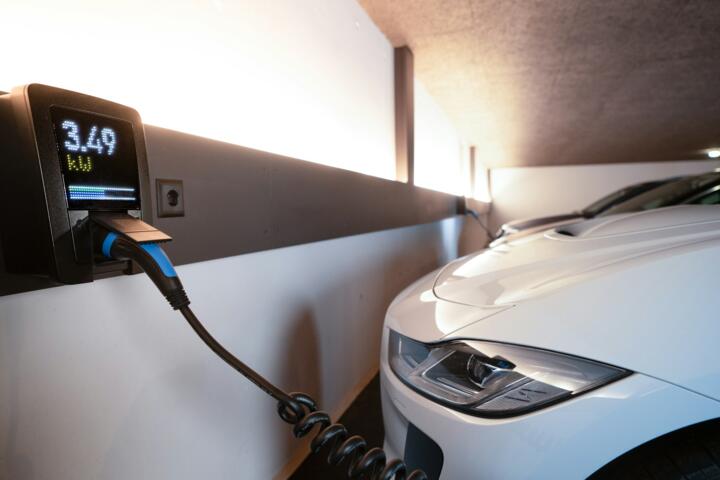
For many, the first surprise is the charging infrastructure variety—Level 1, Level 2, DC fast chargers—all require compatible gear and apps. Practical accessories respond directly to these differences by making charging easier, more efficient, and safer.
Simple gadgets like clamps for charging cable management can save time and frustration. A key fact: 43% of EV owners reported needing extra organizational tools to handle cables properly according to the 2022 EV Consumer Report.
Common Challenges for New EV Owners
Many owners underestimate planning needs related to charging options. They shop for the vehicle, neglecting the frequent accessory gaps that cause inconvenience or even late arrivals. Running out of charge because of incompatible cords or finding no suitable adapters at public stations illustrates how real the problem is.
Theirs is a learning curve on battery health management. For instance, frequent use of DC fast chargers without protective gear might degrade battery performance faster, a detail owners miss. Without the right tools, range anxiety becomes a typical stressor rather than exception.
In new EV owners’ daily lives, forgetting to equip proper adapters or missing out on apps that monitor charging progress impacts efficiency both at home and on the road.
Accessories That Make EV Use Easy
Portable EV Chargers
Compact chargers rated for Level 2 charging let you plug into a wider range of outlets, adding flexibility beyond your home station. For example, JuiceBox 40 provides up to 40 amps in a portable form. People report cutting charging time by up to 50% compared to Level 1 cords. Its toggling amperage settings improve grid compatibility.
Cable Management Systems
Cable organizers with hooks or reels reduce wear, tangles, and trip hazards. Tesla owners swear by the third-party Tesla Cable Organizer V2, which holds cables securely and fits in trunk spaces. A neat cable storage prevents damage possibly costing hundreds in replacements.
Charging Network Memberships
Subscriptions to charge networks like Electrify America or ChargePoint reduce wait times and lower costs by providing access to over 100,000 chargers across the U.S. Many apps let you reserve chargers, cutting downtime on busy routes. The smart handle feature enabled on some apps confirms connection status remotely — a small convenience with big time savings.
Emergency Charging Adapters
Adapters that convert various connector types—CCS, CHAdeMO, Type 2—to your EV's input can rescue you in spots where your standard cable doesn’t fit. Having one or two, like the Zencar universal adapter, is handy on long trips where charger types vary.
Home Energy Monitors
Tools like the Sense Energy Monitor track real-time home energy use including your EV charger. Owners reduce unnecessary consumption by 10-15% after installing these devices, cutting electric bills noticeably. This knowledge lets users schedule EV charging during off-peak hours, further lowering costs.
Floor Mats and Cargo Liners
Battery packs add weight and change cabin dynamics; durable mats reduce noise and abrasion inside the vehicle. WeatherTech mats, customized for most EV models, protect interiors against mud and spills. You're guarding your investment with a small upfront cost.
Apps for Trip Planning
EV-specific apps like A Better Routeplanner help optimize routes around charging stops, factoring in state of charge and charger speed. Avoiding dead zones and unnecessary stops proves essential, especially in regions with patchy infrastructure. Users report shaving 30-40 minutes off typical long routes from smart planning.
Portable Power Banks for Accessories
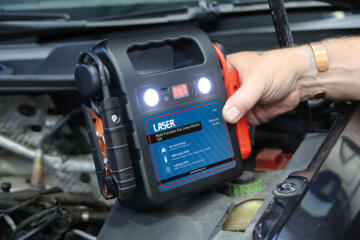
Though EVs power major components, small 12V accessories can drain quickly on older models. A portable jump starter or power bank, such as NOCO Boost HD, fits in your glove box and jumps the 12V battery without help—non-obvious but practical.
Window Tint and Sunshades
Battery efficiency depends on managing interior climate—solar heat reduces range. Investing in heat-rejecting window films and sunshades, especially for SUVs with large glass areas, cuts cabin temps by over 10°F instantly, reducing air conditioner use.
Real-Life EV Accessory Wins
Consider CleanCharge Delivery, a logistics company in California. They faced frequent downtime because drivers struggled with charging station compatibility on varied routes. By equipping each van with universal adapters, app memberships, and portable chargers, they reduced charging delays by 75% and increased daily mile coverage from 180 to 260 miles.
Another example: a family in Vermont invested in home energy monitors and solar-compatible EV chargers. After six months, their grid energy cost dropped by 28%. The integration allowed efficient charging during sunny hours, which wasn’t possible before their 2023 upgrade.
Accessory Check for EV Owners
| Item | Purpose | Example | Benefit |
|---|---|---|---|
| Portable Charger | Fasts Level 2 Charging | JuiceBox 40 | Cut charging by 50% |
| Cable Organizer | Prevents Damage | Tesla Cable V2 | Saves hundreds in repairs |
| Charging App | Station Access & Payment | ChargePoint | Lower cost, reserved spots |
| Energy Monitor | Tracks Home Usage | Sense Energy | 10-15% energy savings |
| Adapters Kit | Compatibility on Route | Zencar Adapter | Avoids charger incompatibility |
Avoiding Common Pitfalls
Buy cheap cables. You’ll regret it quickly. Lower-grade cords can overheat or fail, causing downtime and potential safety hazards. Look instead for UL-listed products, usually priced moderately higher but reliably wired.
Ignore app notifications from charging stations. Skipping these may complicate billing and reservation issues, especially during peak hours. Apps often update status or alert you to interruptions — useful, despite the occasional glitch.
Negotiating charger compatibility mid-trip is a frustration many EV drivers face. Gathering all adapter types in advance, not last minute, removes this headache. A lot of users realize too late that their charger plugs don’t match certain stations on interstates.
Neglect tire pressure checks. Overlooked tires reduce EV efficiency and range potentially by 3–5%. Tires wear faster too with the extra EV weight, especially if you keep ignoring manufacturer specs.
Lastly, don’t forget long cables. Choose ones long enough for awkward parking spot power sources. Chargers rated 25 feet or longer suit most scenarios well but try before you commit.
FAQ
What’s the best portable charger?
Level 2 chargers with adjustable amperage like the JuiceBox 40 rank high. They balance power and portability and support multiple outlet types for flexibility.
How do I keep charging cables tidy?
Use specialized cable organizers or reels rated for EV cords. Simple hook systems or aftermarket holders designed for trunk mounting work well.
Are charging apps free?
Most apps download free but require payment through the network to charge your vehicle. Some offer subscription plans for savings on fees.
When should I use DC fast charging?
Use DC fast charging primarily on long routes or when time is short; frequent use may accelerate battery wear, so balance with Level 2 home charging.
Can I install charging at home myself?
DIY installation rarely meets code and voids warranties. Hiring a licensed electrician with EV experience is highly recommended.
Author's Insight
From hands-on experience, I’ve learned that investing in the right accessories saves frustration and time on the road. The little details—good cables, adapters, and planning apps—make a daily difference, reducing the technical bumps that trip up many first-time owners. Temper your enthusiasm for bare essentials; the wrong cord or missed software update often costs more in hassle than the gear itself. One tool I always carry is a portable power bank; it’s saved me twice during emergency 12V issues—a rarely advertised but practical fix.
Summary
New EV owners should pick accessories supporting flexible charging, cable management, and energy monitoring. Portable chargers and universal adapters tackle station variety, while apps cut charging wait times and costs. Avoiding cheap cables and ignoring app prompts limits problems and keeps range healthy. Small investments in specific gear enhance EV usability and comfort dramatically. Start with these crucial items to smooth the transition to electric driving.