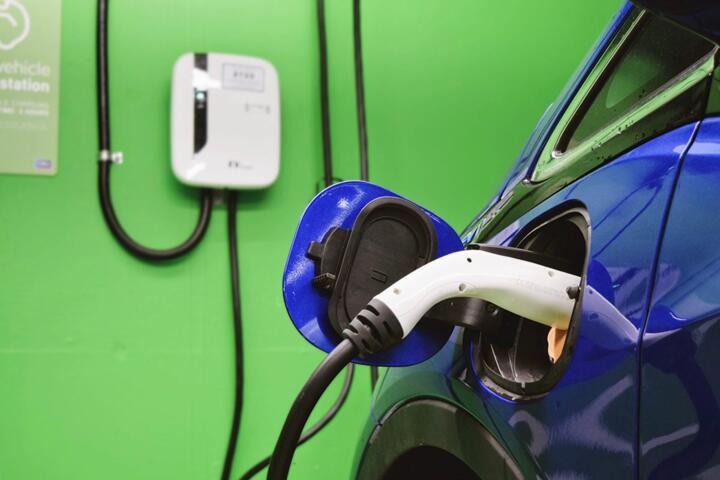
J1772 vs NACS Balancing
Level 2 chargers operate at 240 volts and typically deliver between 3.3 kW and 19.2 kW of power, significantly faster than standard Level 1 chargers. The J1772 connector, standardized by SAE International since 2010, has been the dominant Level 2 charging interface in North America, compatible with nearly all non-Tesla EVs. Tesla’s adoption of the NACS—formerly known as the Tesla connector—marks a shift in the market with its smaller, lighter design that integrates both Level 2 and DC fast charging capabilities.
For example, ChargePoint and Blink employ J1772 connectors exclusively in their Level 2 stations, delivering up to 19.2 kW in commercial settings. In contrast, Tesla’s Superchargers and Wall Connectors now utilize NACS, supporting up to 11.5 kW in AC mode and up to 250 kW for fast charging.
A key element often overlooked is load balancing—distributing power safely and efficiently across multiple chargers sharing the same electrical circuit. According to the U.S. Department of Energy, efficient load management can reduce infrastructure costs by 30% by preventing demand spikes and optimizing power delivery during off-peak hours.
Load Balancing Problems
Many EV charging stations suffer from poorly implemented load balancing strategies, leading to frequent circuit overloads and user dissatisfaction. The J1772 standard supports basic load management through Communicating Load Management (CLM) protocols, but many Level 2 stations lack dynamic load distribution, resulting in uneven power delivery to vehicles.
On the other hand, NACS's integration with Tesla’s proprietary software ecosystem allows for more granular energy management, including real-time power modulation per vehicle. However, the limited interoperability of NACS with non-Tesla vehicles poses challenges for station operators aiming for mixed-brand support.
These issues impact charging performance, increase electrical infrastructure strain, and inflate operating costs. For instance, an office with multiple J1772 chargers and no load balancing may see frequent tripping of breakers during simultaneous charging events, forcing costly electrical upgrades or limiting user access.
Solutions & Tips
Utilize Advanced Load Balancing Controllers
Incorporate smart load management hardware such as the Enel X JuiceNet platform or Siemens VersiCharge, which communicate with J1772 chargers to dynamically allocate power based on real-time demand. These controllers use algorithms that can reduce peak demand by up to 40%, balancing load without compromising charging speed.
Leverage NACS’ Proprietary Management Features
NACS-enabled charging stations, especially Tesla Wall Connectors, benefit from integrated network management via Tesla’s software suite. This system allows users to schedule charging windows and prioritize individual vehicle charging loads, maximizing circuit efficiency and minimizing peak consumption.
Hybrid Station Deployment
For locations servicing mixed EV fleets, deploying combination stations equipped with both J1772 and NACS connectors can facilitate seamless charging and balancing. Products like ChargePoint CPF25 provide such flexibility while integrating load management software to optimize circuit usage.
Implement Demand Response Programs
Participate in utility-driven demand response initiatives, where charging stations adjust power draw in response to grid signals. Companies such as EVgo have integrated demand response capabilities into their network, demonstrating reductions in peak energy costs by 20–25% during pilot programs.
Monitor and Analyze Load Data
Use energy management systems like Verdant EV Insight or Greenlots to track usage patterns and identify load balancing inefficiencies. Data-driven insights enable operators to optimize charger schedules, allocate resources more effectively, and forecast infrastructure upgrades accurately.
Case Studies
Case Study 1: Corporate Campus Fleet ChargePoint J1772
Company: A technology campus in Silicon Valley with 50 employee EVs.
Problem: Frequent circuit breaker trips due to simultaneous charging.
Solution: Installation of JuiceNet load balancing controllers integrated with existing ChargePoint J1772 units.
Result: Peak load shaved by 35%, with system preventing breaker trips. Energy costs reduced by 15% in six months, supporting a growing EV fleet without electrical upgrades.
Case Study 2: Tesla NACS in Multifamily Housing
Company: Residential complex in Austin, TX.
Problem: Limited electrical infrastructure capacity to support resident EV charging.
Solution: Deployment of Tesla Wall Connectors using NACS, synchronized via Tesla’s energy management software.
Result: Achieved balanced load distribution with no breaker trips and a 25% decrease in energy demand charges due to off-peak charging scheduling.
J1772 vs NACS Table
| Feature | J1772 (Standard) | NACS (Tesla) |
|---|---|---|
| Support | External controllers required. | Integrated software control. |
| AC Power | 3.3 kW – 19.2 kW | Up to 11.5 kW |
| Software | Vendor-dependent (Blink, etc.) | Tesla Ecosystem |
| Compatibility | Universal non-Tesla. | Tesla focused (expanding). |
Common Mistakes
Ignoring Load Balancing Capabilities
Many operators install multiple Level 2 chargers without implementing load balancing, leading to infrastructure strain. Ensure all installations have compatible load management controllers or software.
Overlooking Software Updates
Failing to keep device firmware current can degrade load balancing responsiveness. Schedule regular updates and maintenance.
Deploying Single-Connector Stations
In mixed EV environments, single-standard stations limit accessibility. Consider hybrid chargers supporting both J1772 and NACS to future-proof infrastructure.
Neglecting Data Monitoring
Without data analytics, spotting load issues is difficult. Invest in management platforms that track real-time and historical data.
Not Coordinating with Utilities
Ignoring utility demand response programs misses savings opportunities. Engage local utilities early to integrate EV charging with grid needs.
FAQ
What is the primary difference between J1772 and NACS connectors?
J1772 is a widely adopted standard for Level 2 AC charging compatible with almost all non-Tesla EVs, while NACS is Tesla’s proprietary connector designed for both AC and DC fast charging, recently opening to third-party use.
How does load balancing improve Level 2 charging?
Load balancing manages power distribution across multiple chargers sharing the same circuit, preventing overloads, reducing energy costs, and enabling more vehicles to charge simultaneously without infrastructure upgrades.
Can NACS chargers be used with non-Tesla vehicles?
Yes, Tesla has begun opening NACS to non-Tesla vehicles through adapters and certification programs, facilitating broader adoption in mixed charging environments.
What are the best tools for load balancing with J1772 chargers?
Platforms like Enel X JuiceNet, Siemens VersiCharge, and ChargePoint’s load management software offer dynamic load balancing compatible with J1772 charging stations.
How do demand response programs benefit EV charging operators?
These programs allow operators to reduce energy consumption during peak grid times in exchange for financial incentives, lowering operational costs and supporting grid stability.
Author's Insight
In my experience managing EV charging infrastructure, integrating smart load balancing has been critical to prevent costly electrical system upgrades and reduce operational expenses. I’ve seen firsthand how combining J1772 chargers with advanced load controllers delivered significant savings and improved reliability in a corporate fleet environment. Additionally, Tesla’s NACS platform provides excellent software-driven load management, though wider compatibility is essential to fully leverage its potential. I recommend operators invest early in intelligent energy management solutions and maintain close collaboration with utilities to maximize efficiency and minimize downtime.
Summary
Understanding the nuances between J1772 and NACS connectors and their impact on load balancing is essential for optimal Level 2 charging deployment. Leveraging smart load management tools, choosing hybrid charging stations, and integrating demand response can reduce infrastructure costs and improve user experience. Operators should invest in real-time monitoring and software updates while planning for mixed EV fleets and evolving standards to future-proof their charging networks.