EV Maintenance: A Practical Overview
Electric vehicles (EVs) are revolutionizing transportation but require a tailored approach to maintenance unlike traditional cars. With fewer moving parts and no engine oil, many common maintenance tasks become obsolete, yet certain checks remain paramount to ensure longevity and safety. For EV owners, knowing what maintenance to prioritize—and what can be skipped—helps avoid unnecessary expenses while protecting vehicle performance.
For example, industry data reveals EVs typically have 30% lower maintenance costs over their lifecycle compared to gasoline vehicles, but improper battery care or ignoring brake system checks can lead to costly repairs. This article breaks down maintenance essentials, pitfalls, and best practices, informed by leading brands like Tesla, Nissan, and GM.
Overview of EV Maintenance Basics
Electric vehicles operate with fundamentally different mechanics: an electric motor, battery pack, power electronics, and minimal moving parts. Without oil changes, timing belts, or spark plugs, traditional maintenance routines shift.
Key maintenance areas include:
- Battery health monitoring: Critical for range and lifespan.
- Brake system checks: Despite regenerative braking reducing wear.
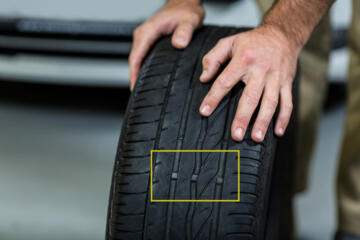
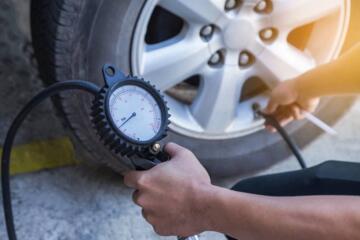
- Tire care and alignment: Essential for efficiency.
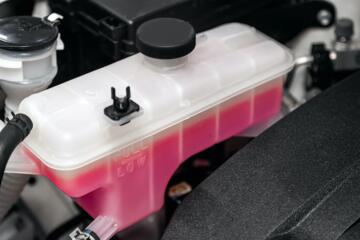
- Coolant system maintenance: For battery and inverter thermal management.
For example, Tesla recommends checking coolant levels every 2 years or 50,000 miles, while Nissan Leaf owners should monitor battery capacity decline over time.
Main EV Maintenance Pain Points
Neglected Battery Maintenance
Many EV owners misunderstand battery care, leading to premature degradation. Frequent rapid charging or staying at 100% state of charge too long can reduce battery life. Ignoring battery warnings or temperature extremes causes costly capacity loss.
Overlooking Software Updates
EVs regularly release firmware updates that improve performance and safety. Skipping these can lead to bugs, suboptimal efficiency, or connectivity issues.
Ignoring Brake System Care
Some owners believe regenerative braking removes the need for brake maintenance, but brake pads and fluids still wear and degrade over time, risking safety.
Consequences
Poor maintenance can lead to expensive battery replacements (costing $5,000 to $15,000 depending on make), reduced driving range, warranty issues, and increased safety risks.
Practical Solutions and Recommendations
Battery Maintenance
What to do: Avoid frequent use of DC fast chargers (Tesla Supercharger or CCS stations) unless necessary. Keep charge levels between 20% and 80% for daily use to extend battery health. Use manufacturer apps and onboard diagnostics to monitor capacity.
Why it works: Lithium-ion batteries degrade faster when exposed to high voltage or temperature extremes.
Example: Owners using smart charge settings on Chevy Bolt EV saw 10%-15% slower battery capacity loss over 3 years versus aggressive fast charging.
Software Updates
What to do: Schedule regular updates via OEM apps or service centers.
Why it works: Updates refine battery management systems, improve thermal regulation, and add new safety features.
Example: Tesla’s OTA (over-the-air) updates have improved Model 3 range by over 5% annually.
Brake and Tire Checks
What to do: Inspect brake fluid every 2 years, replace pads as needed, and perform routine tire rotations and pressure checks every 6,000 miles.
Why it works: Maintains optimal grip, safety, and efficient energy use.
Practical tip: Even with regenerative braking, GM’s EVs require brake fluid changes biennially.
Coolant System
What to do: Follow manufacturer schedules (typically every 4 years or 50,000 miles). Popular EV coolant brands include Prestone and Zerex.
Why it works: Proper thermal management prevents overheating and battery damage.
Mini-Case Studies
Case 1: Tesla Model S Battery Care
Company: A California-based delivery firm operating a fleet of Tesla Model S.
Problem: Rapid battery degradation due to frequent 100% charges and constant supercharging plus high mileage.
Solution: Implemented a fleet-wide charge management system keeping charge between 20%-80%, limited supercharging, and enforced climate-controlled parking.
Result: After 3 years, average battery health retention improved from 78% to 87%, reducing premature battery replacements and saving approximately $300,000 in fleet maintenance.
Case 2: Nissan Leaf Brake Maintenance Overlook
Company: Private owner with a 2018 Nissan Leaf.
Problem: Ignored brake fluid service, assuming regen braking eliminated brake wear.
Solution: After a brake inspection revealed degraded fluid and worn pads, owner performed flush and replaced pads.
Result: Restored brake responsiveness and prevented an estimated $2,000 potential repair due to caliper damage.
EV Maintenance Checklist
| Maintenance Task | Frequency | Recommended Action | Notes |
|---|---|---|---|
| Battery Health Monitoring | Ongoing | Use OEM app diagnostics | Avoid 100% charge unless needed |
| Software Updates | Every 3-6 months | Install OTA updates promptly | Improves efficiency and safety |
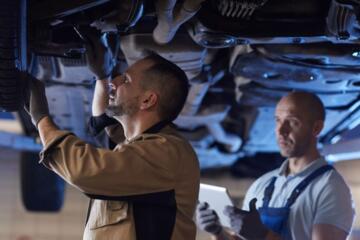
| Brake Inspection and Fluid Change | Every 2 years / 25,000 miles | Replace fluid; check pads | Necessary despite regen braking |
| Tire Rotation and Pressure Check | Every 6,000 miles | Rotate tires; maintain proper PSI | Ensures range and safety |
| Coolant Replacement | Every 4 years / 50,000 miles | Replace battery/inverter coolant | Critical for thermal management |
Common Mistakes and How to Avoid Them
Skipping Regular Software Updates
Delay in updates can mean missing out on efficiency and safety improvements. Set calendar reminders and connect your EV to Wi-Fi regularly to avoid this.
Overusing Fast Chargers
Rely on Level 2 charging at home when possible to preserve battery health.
Neglecting Brake Fluid Changes
Many drivers assume regenerative braking eliminates brake fluid needs. Have a professional check fluid quality every two years.
Ignoring Tire Health
Underinflated or uneven tires reduce range and increase wear. Check tires monthly.
Leaving EV in Extreme Conditions
Excessive heat or cold can harm battery life. Use climate-controlled parking or thermal battery management features.
FAQ
How often should I change the coolant in my EV?
Most manufacturers recommend changing battery coolant every 4 years or 50,000 miles to ensure proper thermal regulation.
Is it necessary to get regular oil changes for an EV?
No, electric vehicles do not have engine oil and therefore do not require oil changes, reducing maintenance demands significantly.
Can I use any charging station for my EV?
Yes, but using recommended chargers (like Tesla Superchargers for Teslas or CCS Level 2 stations) ensures optimal charging speeds and battery health.
How long do EV brake pads typically last?
Due to regenerative braking, EV brake pads can last 2-3 times longer than conventional vehicles, but should still be inspected every 2 years.
What is the best way to monitor my EV’s battery health?
Use the vehicle’s OEM app or onboard diagnostics to track battery capacity, charge cycles, and receive health alerts.
Author's Insight
From years of working with EV owners and technicians, I've seen that preventative maintenance tailored to your specific EV model makes all the difference. Many owners save thousands by understanding battery care nuances like charge limits and proper thermal management. It's a shift in mindset from gas vehicles but easy to adopt with the right knowledge. Regular software updates and basic brake servicing are often overlooked but critical. My advice: prioritize smart charging habits and adhere to the manufacturer's service schedule for coolant and brakes to keep your EV humming efficiently for years.
Summary
Electric vehicle maintenance is distinct but straightforward: prioritize battery health by avoiding excess fast charging, keep software up to date, maintain brakes and tires, and monitor coolant systems. Skipping traditional tasks like oil changes saves cost, but neglecting EV-specific care risks expensive repairs. Follow manufacturer guidelines, use OEM apps, and engage certified EV service providers for the best results. With these targeted strategies, EV owners gain reliability, longevity, and optimum range from their investment.