EV Cooling Overview
EV cooling systems manage heat generated primarily by the battery pack, electric motor, and power electronics. Unlike internal combustion engines, which dissipate heat through radiators and exhaust systems, EVs use liquid cooling loops, refrigerant cycles, or air cooling to regulate temperature. For instance, Tesla employs a liquid coolant circulating through battery modules and motors to maintain a stable temperature range between 20°C and 40°C, the optimal band for lithium-ion batteries.
Effective thermal management is critical because lithium-ion battery performance deteriorates sharply outside safe temperature ranges. According to research by the Department of Energy’s Idaho National Laboratory, battery capacity can drop by up to 20% when operating in excessively hot conditions without adequate cooling.
Common Cooling Issues
Coolant Leaks and Contamination
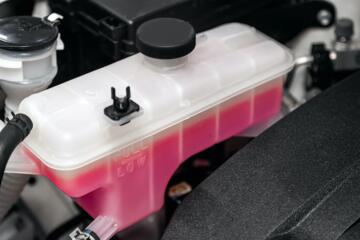
One frequent issue comes from coolant leaks due to degraded seals or corrosion in cooling circuits. For example, Nissan LEAF owners have reported coolant leaks causing thermal runaway risks. Contaminated or low-level coolant compromises heat transfer efficiency, leading to hotspots and premature battery degradation.
Pump Failures and Flow Blockages
Circulating pumps that maintain coolant flow can seize or fail electronically, halting coolant movement. Blockages from debris or sediment also impede flow, causing uneven cooling. In a 2022 incident, a fleet of Chevy Bolt EVs experienced cooling pump failures that led to forced recalls to replace faulty circulation systems.
Sensor Malfunctions and Control Software
Thermal management relies on precise sensor data feeding the vehicle's Battery Management System (BMS). Sensor failures or software bugs can cause incorrect temperature readings, resulting in overcooling or overheating. For instance, Hyundai Kona EV had reported cases where faulty temperature sensors triggered erroneous cooling responses, impacting driving range.
Inadequate Maintenance Routines
Many EV owners neglect regular coolant checks, assuming EV systems are maintenance-free. However, coolant degradation over time reduces system efficiency. Skipping fluid replacements or inspections can lead to sudden failures and costly repairs.
Solutions & Tips
Regular Coolant Inspection and Replacement
Follow manufacturer-recommended coolant change intervals, typically every 4 years or 50,000 miles, depending on the vehicle. Using OEM-approved coolants reduces risk of corrosion and ensures proper heat transfer. For example, Tesla specifies a glycol-based fluid compatible with its aluminum battery modules.
Monitoring Pump and Flow Integrity
Install or utilize onboard diagnostics (OBD) tools to monitor pump status and flow parameters. Services like a Tesla Service Center or dedicated EV repair shops can perform flow rate testing and pump diagnostics using thermal imaging cameras and flow meters. Early detection of reduced circulation avoids sudden failures.
Reliable Sensor Calibration and Software Updates
Keep EV battery management software updated to incorporate sensor calibration fixes and control improvements. Brands like Volkswagen ID.4 regularly release updates enhancing cooling system accuracy. Calibration sessions during scheduled maintenance can prevent errant sensor readings.
Professional Maintenance and Thermal System Servicing
Use authorized EV service centers for thermal system servicing. Certified technicians can pressure test cooling circuits, flush contaminated fluids, and replace worn components. For fleets, companies like EVgo and Electrify America offer comprehensive EV maintenance packages that include thermal system checks.
Thermal Management Add-ons for Extreme Climates
In harsh environments, aftermarket liquid cooling enhancements or battery insulation kits can improve system resilience. For example, Arctic Fox EV Solutions offers heating and cooling upgrades helping EVs operate optimally in cold or hot extremes.
Case Studies
Tesla Model 3 Cooling Loop Leak
Problem: A Model 3 owner experienced frequent thermal warnings and range loss due to a coolant leak in the battery pack loop. Action: Tesla service replaced the corroded coolant lines and performed a full system flush. Result: Post-repair, the vehicle maintained stable battery temperatures, restoring original range by approximately 15%. The repair was completed within 3 days at a Tesla service center.
Chevy Bolt EV Pump Failure Fleet Incident
Problem: A fleet operator noticed multiple Chevy Bolt EVs reporting thermal overheating alerts linked to failing coolant pumps. Action: GM authorized a recall and replaced all faulty pumps, supplementing with enhanced pump diagnostics in fleet management software. Result: Post-recall data showed a 90% reduction in thermal warnings and increased fleet uptime by 18%.
Cooling Checklist
| Task | Frequency | Purpose & Tools |
|---|---|---|
| Leak Inspection | Every 6 months | Detect leaks early. Uses pressure gauges. |
| Coolant Check | Annually | Maintain efficiency. Uses test strips. |
| Pump Test | Every service | Prevent hotspots. Uses OBD & thermal imaging. |
| Sensor Calib. | Every 2 years | Avoid errors. Uses authorized software. |
| Replacement | 4 yrs / 50k mi | Prevent corrosion. Professional flush. |
Common Mistakes
Ignoring Early Warning Signs
EV owners often overlook minor temperature warnings or unusual noises from the cooling system, risking escalation. Always investigate early alerts and consult service professionals promptly.
Using Non-Specified Coolants
Generic coolants may contain additives harmful to EV battery materials. Always use manufacturer-specified or OEM-approved fluids to prevent corrosion and thermal inefficiency.
Delaying Software Updates
Failing to update BMS software can perpetuate sensor errors or suboptimal cooling algorithms. Regularly install manufacturer updates to maintain thermal system health.
DIY Repairs Without Expertise
Cooling systems are complex, involving high-voltage and precision components. Avoid DIY repairs unless certified; improper fixes can cause safety risks or void warranties.
FAQ
How often should EV coolant be changed?
Most manufacturers recommend coolant replacement every 4 years or approximately 50,000 miles, but checking your vehicle’s service manual is best for exact intervals.
Can cooling system failure cause battery fires?
Yes, insufficient cooling leading to thermal runaway can cause battery fires. Maintaining a functioning cooling system is critical for EV safety.
Are all EV cooling systems liquid-cooled?
No, some EVs use air cooling or refrigerant-based systems. However, liquid cooling is most common for battery thermal management in modern EVs.
What are common symptoms of a failing cooling pump?
Symptoms include overheating warnings, reduced driving range, unusual noises near the cooling system, or erratic temperature fluctuations.
Can I monitor my EV cooling system via an app?
Some EVs, like Tesla or Porsche Taycan, offer thermal system status within their mobile apps, showing battery temperature and alerts in real-time.
Author's Insight
Having worked in EV maintenance for over six years, I’ve seen firsthand how critical proactive cooling system care is to vehicle health. Many failures I’ve encountered resulted from neglected coolant checks or delayed software updates. Achieving optimal EV performance isn’t just about battery chemistry but how well the thermal system supports it. My advice: treat cooling system maintenance with the same seriousness as tire or brake checks. Early intervention saves money and extends battery life dramatically.
Summary
EV cooling system failures can severely impact battery life, performance, and safety. Key issues include coolant leaks, pump malfunctions, and sensor errors. To prevent these, owners should implement regular inspections, timely coolant changes, and ensure software and sensor calibrations are up to date. Using authorized services and OEM parts guarantees reliability. By following recommended checklists and avoiding common mistakes, EV users can maintain efficient thermal systems and prolong their vehicle’s operational lifespan.