Braking Dynamics Shift
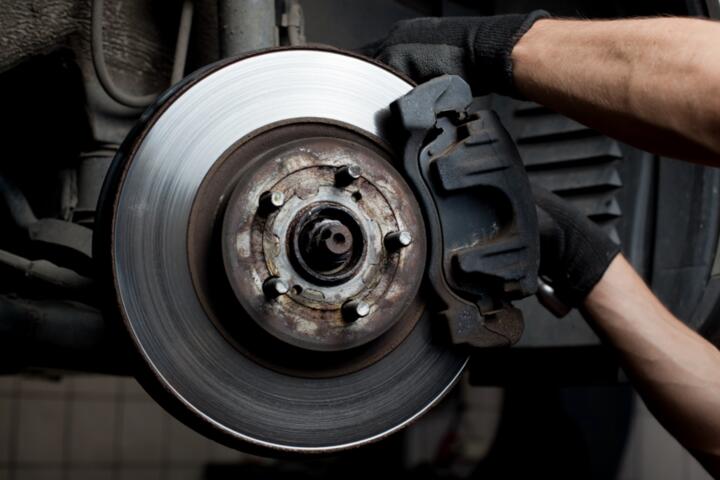
In a traditional internal combustion engine (ICE) vehicle, every deceleration event generates heat—often exceeding 200°C—which naturally burns off moisture and contaminants. EVs operate differently. Through regenerative braking, the electric motor handles up to 90% of deceleration tasks. The physical calipers, pads, and rotors essentially become "emergency backups" rather than primary tools.
Practically speaking, an EV rotor can go weeks without ever being squeezed by a pad. In humid or coastal environments like Seattle or Brighton, a layer of iron oxide (rust) forms within hours. Without the abrasive "scrubbing" action of regular braking, this rust becomes pitted and structural. Data from European inspection agencies, such as the TÜV in Germany, indicates that Tesla Model 3s and Renault Zoes show higher rates of brake-related inspection failures compared to ICE counterparts, specifically due to rusted discs and seized sliding pins.
Why Low-Use Systems Fail
The most common mistake is the "set it and forget it" mentality. Owners assume that because the pads have 8mm of material left after 50,000 miles, the system is healthy. This is a dangerous misconception. The lack of heat cycles allows moisture to settle in the brake fluid and salt to crystallize on the caliper pistons.
If the sliding pins—the components that allow the caliper to move—are not lubricated, they will seize in place. This leads to "uneven drag," where one pad is permanently pressed against the rotor while the other does nothing. This creates a parasitic drag that can reduce EV range by 3-5% and leads to a "spongy" pedal feel that fails during an emergency stop.
Real-world neglect often manifests as a terrifying grinding noise during the one time you actually need to slam on the brakes. By then, the rotor surface is likely "pitted," meaning the metal has developed deep craters that no amount of driving will smooth out.
Friction Hardware Tips
Implementing a Weekly "Brake Cleanse"
To counteract the lack of use, drivers must intentionally bypass regenerative braking. Most EVs, such as the Hyundai Ioniq 6 or Kia EV6, allow you to adjust regen levels via steering wheel paddles. Setting regen to "Level 0" and performing three firm stops from 40 mph once a week generates the necessary friction to sweep away surface oxidation.
Transitioning to Galvanized and Coated Hardware
Standard aftermarket rotors are often "blank" cast iron, which is a death sentence for an EV. Expert technicians now recommend rotors with specialized coatings, such as the Geomet or Z-Coat finishes. Better yet, companies like NRS Brakes produce galvanized brake pads specifically for EVs. These use mechanical attachment rather than adhesives, preventing the friction material from delaminating—a common issue when rust grows between the backing plate and the pad.
Caliper Service and High-Load Lubrication
Standard brake grease often washes away. For EVs, technicians should use high-solids lubricant like Permatex Ceramic Extreme or Liqui Moly Brake Anti-Squeal on the sliding pins and pad abutment points. This service should be performed annually in "Salt Belt" regions, regardless of mileage. It ensures the mechanical components move freely even when the hydraulic system isn't under high pressure.
Proactive Brake Fluid Management
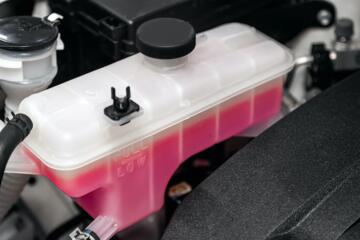
Brake fluid is hygroscopic, meaning it absorbs water from the air. In EVs, because the fluid rarely gets hot, this moisture isn't evaporated. Over time, moisture lowers the boiling point and corrodes the internal valves of the ABS and Electronic Stability Control (ESC) modules. Using a digital moisture tester (like those from Bosch or OTC) is mandatory. If the moisture content exceeds 2%, a full flush with DOT 5.1 or a specialized Low Viscosity (LV) fluid is required to maintain the rapid response times needed for autonomous emergency braking.
Advanced Corrosion Inhibitors
For vehicles parked for long periods, such as at airport lots, applying a "shielding" spray to the wheels can help. However, the most effective tool is a dedicated rotor cleaner that doesn't leave an oily residue. Products like Bilt Hamber Atom-Mac can be sprayed onto the discs after washing the car to prevent "flash rust" from forming while the vehicle sits overnight.
Environmental Adaptation Strategies
If you live in an area where road salt is prevalent, such as the Northeastern US or Canada, the "undercarriage wash" at a commercial car wash is insufficient. Salt gets trapped in the tight tolerances of the caliper bracket. A manual pressure wash focused specifically on the caliper assemblies every two weeks during winter can prevent the chemical reaction that leads to "caliper freeze."
Operational Evidence
Case Study: High-Mileage Rideshare Fleet
A fleet of 50 Chevy Bolts operating in Chicago experienced a 30% failure rate of rear calipers within the first two years. The issue was traced to the electronic parking brake (EPB) motors seizing due to road salt ingress and low usage.
Action Taken: The fleet switched to a biannual "strip and lube" service schedule and replaced OEM rotors with fully coated units.
Result: Brake-related downtime dropped to near zero, and the average lifespan of the hardware extended from 30,000 miles to over 80,000 miles, saving the company approximately $400 per vehicle annually in unplanned repairs.
Case Study: Coastal Luxury Sedan
A Tesla Model S owner in Miami reported a significant "pull" to the left during braking. Inspection revealed the right-side pistons were completely frozen due to salt-air corrosion.
Action Taken: The service center installed stainless steel piston inserts and performed a high-pressure system flush.
Result: Braking balance was restored to within 1% variance, and the owner was instructed to use "Max Regen Off" mode for the final mile of their daily commute to dry the components.
Maintenance Checklist
| Task | Frequency | Objective |
|---|---|---|
| Manual Friction Braking | Weekly | Remove surface rust and seat the pads. |
| Visual Inspection | Monthly | Check for "pitting" or uneven rotor wear colors. |
| Brake Fluid Testing | Annually | Ensure moisture content is below 2%. |
| Caliper Slide Lubrication | Every 12 Months | Prevent mechanical seizure in low-use environments. |
| Full Hardware Replacement | As Needed | Upgrade to galvanized pads and coated rotors. |
Common Pitfalls
The biggest error is assuming the "Brake Wear" indicator on the dashboard will save you. Most EVs use electronic sensors that only trigger when a pad is physically thin. They cannot detect a seized caliper or a rusted-out rotor face. You might have 90% pad life left while the system is effectively non-functional.
Another mistake is using "cheap" brake cleaners that can degrade the rubber seals on specialized EV calipers. Always use a pH-neutral cleaner. Furthermore, never ignore a "crunching" sound. Many owners assume it’s just "EV noise," but in a quiet cabin, the sound of a pad dragging across a rusted rotor is a clear signal of impending hardware failure.
FAQ
Does One-Pedal Driving hurt my brakes?
It doesn't "hurt" them directly, but it facilitates the environment where corrosion thrives. If you use One-Pedal Driving exclusively, you must manually engage the friction brakes periodically to maintain the health of the system.
Why are my EV brakes squealing even though the car is new?
This is often "glazing" or surface oxidation. Because the pads aren't used hard enough to "bed in," they develop a smooth, hard surface that vibrates and squeaks. A few hard stops usually resolve this.
Can I use standard brake pads on an EV?
Technically yes, but it is not recommended. Standard pads are designed for heat. EVs need "low-dust" and "high-corrosion resistance" pads, often labeled as EV-specific, which handle the moisture of low-heat environments better.
How often should I change brake fluid in an EV?
Most manufacturers like Tesla or Rivian suggest every 2 years, but a moisture-based test is a better metric. In humid climates, you may need a flush every 18 months.
Are ceramic brakes better for EVs?
Ceramic pads are excellent for EVs because they produce less corrosive dust and handle the occasional high-load stop without fading, but they still require lubricated sliding pins to function.
Author’s Insight
In my years of technical consulting, I’ve seen more EV brake systems ruined by "sitting" than by "driving." We are moving into an era where we don't wear brakes out; we rot them out. My best advice for any EV owner is to find a steep hill or a safe stretch of road once a week and give your brakes a workout. It sounds counterintuitive to "waste" energy, but the cost of a set of seized calipers far outweighs the few cents of electricity you save by maximizing regen 100% of the time.
Summary
The evolution of braking in the electric era requires a shift from monitoring "wear" to monitoring "oxidation and mobility." By incorporating weekly friction cycles, using specialized galvanized hardware, and adhering to strict lubrication schedules, you can ensure your vehicle’s safety systems are ready when regenerative braking isn't enough. Proactive maintenance is the only way to prevent the silent decay of low-use braking systems.