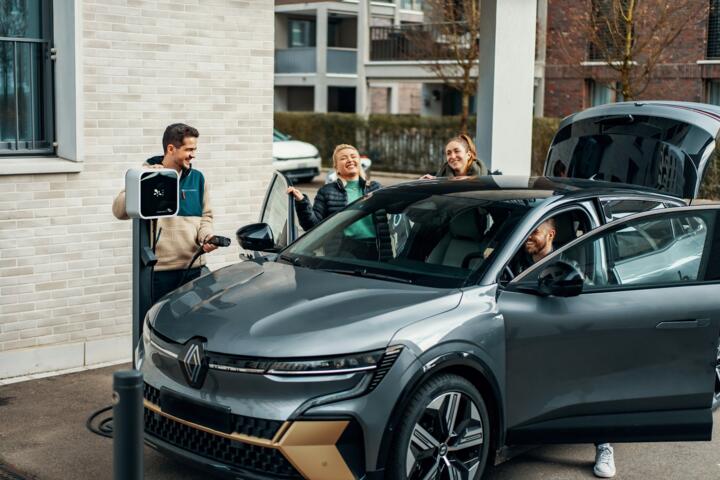
Why Electric SUVs for Families
Electric SUVs are rapidly changing how families think about daily transport. These vehicles not only cut fuel costs but offer roomy cabins and advanced safety features, suited for varied family needs. For instance, the 2023 Tesla Model Y seats five adults comfortably with an estimated range of 330 miles on a single charge. Meanwhile, the Ford Mustang Mach-E offers a family-friendly design plus 305 miles of range.
Many families prioritize space and ease of use: electric SUVs deliver cargo volume exceeding 60 cubic feet in some models and smooth, quiet rides. Budgeting for fuel becomes simpler, too, with average electricity costs per mile a fraction of gasoline. Over a year, families can save over $1,000, factoring in typical commute distances and charging patterns.
In urban settings, electric motors mean instant torque and easier parking maneuvers, a bonus when juggling multiple errands or carpool duties.
Common Challenges Families Face
Many buyers focus exclusively on range, thinking a long drive means less charge anxiety. What gets missed: charging infrastructure near schools or parks is patchy in many areas. Weekend activities can become a logistical puzzle. Children require distracting cabin features not just safety, but suited seating arrangements and intuitive infotainment.
Another overlooked problem is the actual space for car seats combined with cargo gear — strollers, sports equipment, groceries— all compete for room. Chargers at home cannot always handle multiple vehicles or fast charging, adding wait times. Families quickly find publicly available chargers inconsistent: fast chargers in busy malls are often occupied or broken, which frankly most people skip.
Ignoring interior layout of an electric SUV often leads to inconvenience despite clean exteriors and long lists of tech features. You need more than just specs on paper.
Selection Guide for Families
Range and Charging Options
Choose vehicles with at least 250 miles range to avoid frequent stops. Tesla's Supercharger network remains the leader with 25,000+ stations in the USA alone, while Hyundai and Kia offer extensive partner chargers compatible with CCS connectors. Fast charging at 150 kW can restore 80% battery in under 30 minutes in many newer models—good news on road trips when you want to save time.
Interior Space and Configuration
Look for SUVs providing three rows or roomy second rows with easy latch points for up to three car seats. The Volkswagen ID. Buzz is emerging with flexible seating layouts and impressive cargo space—about 77 cubic feet with seats folded. Practical storage compartments and wide door openings simplify busy family routines like loading kids and gear.
Safety and Driver Assists
Standard safety tech such as automatic emergency braking and blind spot monitors must be non-negotiable. Models like the Volvo XC40 Recharge score top marks by IIHS and offer pilot assist for semi-autonomous driving, ideal for US highways packed with distracted drivers. Rear cross traffic alerts, adaptive cruise control all reduce stress.
Technology and Entertainment
Family drives demand easy-to-use infotainment systems with multiple device pairing and streaming options. The Ford Mustang Mach-E has a 15.5-inch touchscreen with a simple interface plus integrated Alexa voice commands. Dedicated rear entertainment screens help keep kids settled during longer trips, sometimes in versions skimpier in base trims, for better or worse.
Price and Incentives
Adjust budgets to include federal tax credits, up to $7,500 in the United States — a meaningful reduction. State rebates vary; California offers additional $2,000 for eligible models. Leasing options sometimes come with free maintenance add-ons. Models under $50,000 include the Chevrolet Bolt EUV, a sensible compromise without luxury price tags.
Reliability and Warranty
Battery warranties usually span 8 years or 100,000 miles, standard across brands. Check electric vehicle service networks nearby to avoid long waits for repairs. Nissan Leaf, while not an SUV, deserves mention for consistent reliability and mature battery tech, often overlooked in family conversations.
Environmental Impact
Go beyond tailpipe emissions—lithium-ion battery production carries environmental weight. Brands like Volvo commit to recyclable batteries targeting zero waste. For a family seeking green credentials, local recycling programs and second-life batteries for home storage systems form an extended circle worth exploring.
Comfort and Ride Quality
Look for adaptive suspension and noise insulation in reviews; families notice fatigue on longer trips. The Audi e-tron impresses with a plush ride and spacious rear seats. Real tests find it quiet with minimal road noise at highway speeds, a rare plus in some EVs pushing sportiness over comfort.
Maintenance and Running Costs
No oil changes and fewer moving parts reduce service trips but monitor tire wear and brake system health. Tesla's maintenance costs for brakes are about half that of combustion SUVs. Charging at home on 240V cuts costs further. Some insurance providers offer discounts for EVs, a detail families often miss in budgeting.
Family EV Mini Successes
A Seattle family of five swapped their gasoline SUV for a Kia EV6 in late 2022. They reported monthly savings over $150 in fuel and maintenance. Weekends became less stressful as the EV's roomy trunk fit all sports gear. Initial stretches to the beach required a midday 40-minute fast charge, but relatives on the route made stops manageable.
Another example, a New Jersey household chose the Tesla Model Y for its network and tech. Smart scheduling of school runs and activities avoided rush hour charging. Their observed annual cost saving, including energy and upkeep, exceeded $1,200—quickly replenishing the slightly higher upfront cost.
Choosing the Right Model
| Model | Range (miles) | Seating | Base Price ($) |
|---|---|---|---|
| Tesla Model Y | 330 | 5 / optional 7 | 54,990 |
| Ford Mustang Mach-E | 305 | 5 | 43,995 |
| Kia EV6 | 310 | 5 | 48,500 |
| Volkswagen ID. Buzz | 260 | 7 | 55,000* |
| Chevrolet Bolt EUV | 247 | 5 | 27,495 |
*Pricing estimated for 2024 US market
Mistakes Families Make
Expecting every charge to be fast leads to frustration. Many public chargers deliver slower speeds off-peak or in older equipment. Charging etiquette with neighbors when sharing home chargers is another overlooked tension point.
Choosing a vehicle only for range, ignoring the charging port location relative to home garage spots, creates daily hassle. Forgetting to check vehicle compatibility with existing car seats wastes time and money on adapters. Kids outgrow built-in screens fast, so lack of upgrades annoys parents who just want peace for long rides.
Skipping test drives with all family members inside leads to surprises in tight parking or limited cargo fits. Online reviews may gloss over these daily annoyances.
FAQ
How far do electric SUVs typically go?
Ranges vary from around 250 to over 330 miles per charge depending on model, battery size, and driving conditions.
Are electric SUVs safe for kids?
Yes. Many models include advanced safety features like automatic emergency braking, multiple airbags, and child seat anchors that pass rigorous safety tests.
What is the cost to charge an electric SUV?
Charging at home typically costs $5-$10 for a full battery, depending on electricity rates and battery capacity.
Can I use public chargers with any electric SUV?
Most electric SUVs use standard connectors like CCS or Tesla’s proprietary plug, but adapter availability varies by model and region.
Do electric SUVs need much maintenance?
Maintenance is lower than gas vehicles: no oil changes, fewer moving parts, but tires, brakes, and battery checks remain necessary.
Author's Insight
After spending two years test-driving electric SUVs with my family, I learned that range is less important than flexible seating and real-world charging convenience. Battery range testers rarely match the gridlock and weather we face near schools. For me, the trick lies in balancing upfront cost with easy access to reliable chargers and daily comfort features. Sometimes the cheaper model surprises with build quality and practicality. I recommend families try vehicles with all their gear packed before making a choice.
Summary
Family electric SUVs now cover every budget and need from minimal around-town use to long weekend trips. Prioritize models balancing usable range, roominess, and practical charging options. Avoid over-focusing on specs and check driving realities ahead. Anticipate needs beyond the driver’s seat—cargo, kids, and quiet rides matter just as much. With thoughtful selection and realistic expectations, electric SUVs make family life cleaner, cheaper, and less stressful.