Gideon R. Fairbanks

Comparative Systems Strategist | Competitive Benchmarking

Executive Profile:
Mr. Fairbanks specializes in cross-platform technical parity. He conducts deep-dive comparisons by normalizing manufacturer specifications against independent laboratory results, identifying discrepancies in drivetrain efficiency and material fatigue limits across competing segments.

Methodology:
- Side-by-side component analysis
- Comparative energy-density mapping under standardized environmental stress cycles

Technical Credentials:
- M.S. in Systems Engineering — Georgia Institute of Technology
- 15 years in Industrial Competitive Intelligence for European OEMs

Core Competencies:
- Multi-platform ROI analysis
- Powertrain friction-loss mapping
- HMI (Human-Machine Interface) latency benchmarking

Gideon R. Fairbanks

Latest Articles

Comparisons 27.03.2026

NCM vs LFP Batteries: Which Chemistry Wins in Longevity and Safety?

This comprehensive analysis breaks down the fundamental differences between the two titans of EV power: Nickel Cobalt Manganese (NCM) and Lithium Iron Phosphate (LFP). Aimed at fleet managers, prospective EV owners, and automotive engineers, this guide resolves the dilemma of balancing high energy density against thermal stability. We move beyond surface-level specs to examine how temperature fluctuations, charging cycles, and chemical degradation impact the total cost of ownership.

Read » 176
Comparisons 28.03.2026

Single-Motor RWD vs Dual-Motor AWD: Energy Consumption Analysis

This analysis provides a granular look at the energy consumption trade-offs between single-motor rear-wheel drive (RWD) and dual-motor all-wheel drive (AWD) configurations in modern electric vehicles. It is designed for fleet managers and EV enthusiasts seeking to optimize range and operational costs by understanding the mechanical and electrical overhead of adding a second motor. We solve the problem of "range anxiety vs. performance" by dissecting the specific parasitic losses and regenerative gains inherent in each layout.

Read » 116
Comparisons 29.03.2026

Regenerative Braking Systems: Comparing One-Pedal Drive Logic Styles

The transition to electromobility has introduced a paradigm shift in vehicle control: the replacement of traditional friction braking with kinetic energy recovery. This article explores the nuanced "One-Pedal Drive" (OPD) logic styles, comparing aggressive deceleration mapping against adaptive, sensor-based coasting. By analyzing motor-generator efficiency and driver ergonomics, we provide a technical roadmap for optimizing range and safety in modern electric vehicles.

Read » 173
Comparisons 30.03.2026

Heat Pump vs Resistive Heating: Impact on Winter Range Across Models

This deep dive examines the critical divergence between thermodynamics and electrical resistance in winter driving. We analyze how different thermal management architectures dictate range retention for EV owners in sub-zero climates. By comparing energy consumption metrics across major automotive platforms, we provide a data-driven roadmap for maximizing battery performance when the mercury drops.

Read » 337
Comparisons 31.03.2026

Aluminum Spaceframe vs High-Strength Steel: Impact on Vehicle Rigidity

This analysis explores the structural battleground of modern automotive engineering, specifically comparing the mechanical integrity of aluminum spaceframes against high-strength steel (HSS) bodies. We examine how material selection dictates torsional rigidity, impact energy management, and long-term chassis fatigue. For engineers, restorers, and performance enthusiasts, this guide clarifies which architecture delivers superior handling and safety performance in the current era of vehicle design.

Read » 270
Comparisons 01.04.2026

Silicon Carbide (SiC) Inverters: Comparing Efficiency Gains in EVs

The transition from Silicon to Wide Bandgap (WBG) semiconductors marks the most significant architectural shift in electric vehicle (EV) powertrain design since the introduction of lithium-ion batteries. This article provides a technical exploration of how Silicon Carbide (SiC) MOSFETs reduce switching losses and thermal overhead compared to traditional IGBTs. By analyzing real-world integration in high-performance platforms, we detail how engineers leverage these efficiency gains to extend range, downsize cooling systems, and optimize 800V charging architectures for the next generation of e-mobility.

Read » 349
Comparisons 02.04.2026

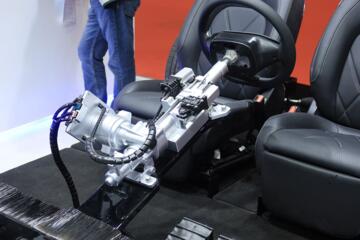
Steer-by-Wire vs Traditional Steering: Feedback, Precision, and Safety

The transition from physical steering columns to digital signal processing represents the most significant shift in chassis dynamics since the invention of the rack-and-pinion. This analysis explores the technical bridge between traditional hydraulic/electric systems and the emerging decoupled digital architecture, focusing on tactile feedback and response speed. For automotive engineers and enthusiasts, understanding this shift is critical for evaluating future performance benchmarks and safety protocols in modern vehicle design.

Read » 122
Comparisons 03.04.2026

CCS2 vs NACS: The Global Battle for Charging Connector Standardization

The global automotive industry is currently witnessing a seismic shift in how electric vehicles interface with infrastructure, primarily driven by the rivalry between competing plug designs. This analysis explores the technical and economic friction between the Combined Charging System Type 2 and the North American Charging Standard. For fleet operators, manufacturers, and EV owners, understanding this transition is critical to navigating infrastructure investments and ensuring long-term vehicle compatibility across diverse geographical markets.

Read » 220